
THERMALLY MODIFIED WOOD
Siding | Decking | Ceilings | Saunas | Fencing
Thermally modified wood is real wood transformed using only heat and steam — no chemicals, no preservatives. By heating wood to temperatures between 180°C and 230°C in a controlled, oxygen-free environment, the cellular structure is permanently altered to deliver exceptional durability, dimensional stability, and decay resistance. Nova offers three distinct thermally modified product lines: Ambara®, Korina, and Inari™ Nordic Spruce.
WHERE TO BUY
Need help with a project? See how we can help.
Your Complete Guide to Thermally Modified Wood
In this guide, we cover everything you need to know about thermally modified wood: how the process works, the key benefits over traditional and pressure-treated lumber, the best applications, and how to choose the right species for your project. We'll also introduce Nova's three TMW product lines — Ambara®, Korina, and Inari™ Nordic Spruce — each optimized for specific applications.
What Is Thermally Modified Wood?
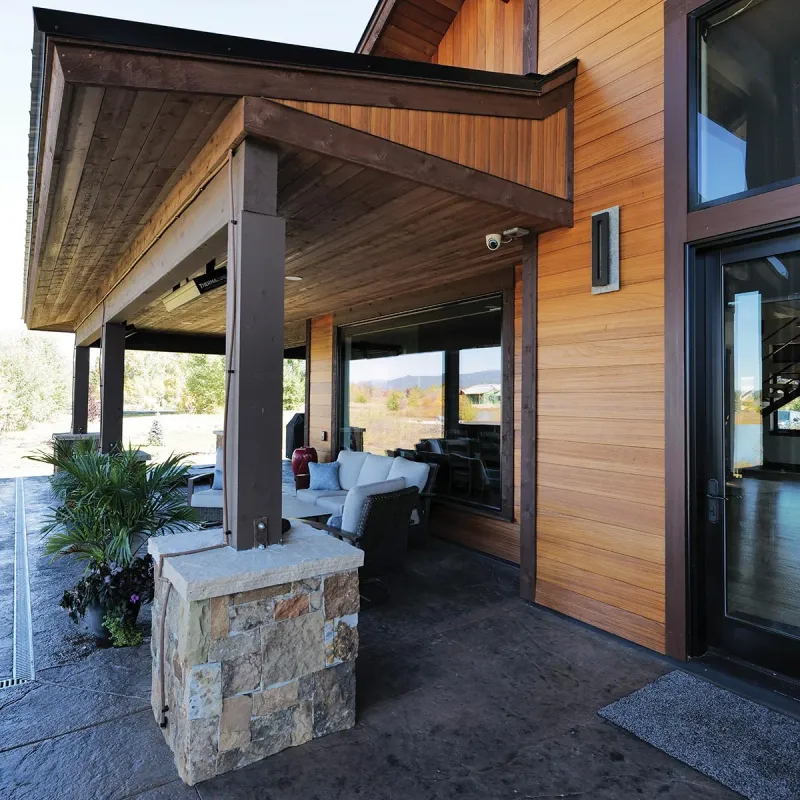
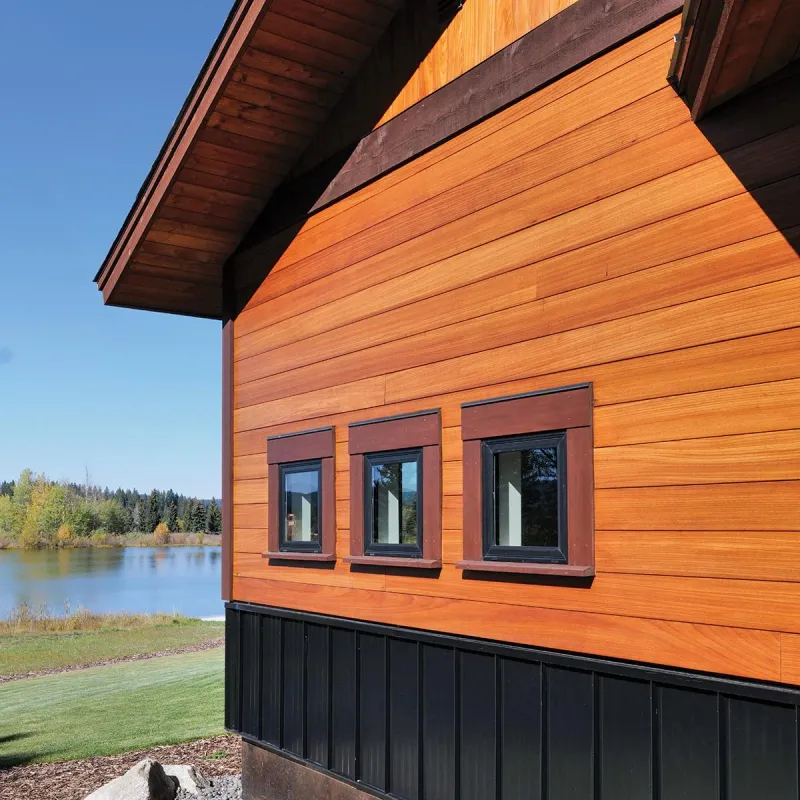
Thermally modified wood (TMW) is real wood that has been transformed using only heat and steam — no chemicals, no preservatives, no additives. By heating wood to temperatures between 180°C and 230°C (356°F to 446°F) in a controlled, oxygen-free environment, the cellular structure is permanently altered to deliver exceptional durability, dimensional stability, and decay resistance.
The result is a high-performance building material that outperforms traditional wood in demanding exterior applications — while maintaining the natural beauty, warmth, and sustainability that only real wood can offer. Whether you're looking for a commercial siding solution, a stunning deck material, or an alternative to increasingly scarce tropical hardwoods like Ipe, thermally modified wood delivers.
How Does Thermal Modification Work?
The thermal modification process typically takes 24-72 hours and consists of three phases:
Phase 1: Drying
The wood is gradually heated while moisture content is reduced to near zero. This prepares the cellular structure for the modification phase.
Phase 2: High-Heat Modification
Temperature is raised to 180-230°C in an oxygen-deprived environment. At these temperatures, the wood's hemicellulose breaks down and the cellular structure is permanently reorganized. The natural sugars and starches that attract insects and decay organisms are converted, and the wood becomes "hydrophobic" — meaning it absorbs significantly less moisture than untreated wood.
Phase 3: Cooling & Conditioning
The wood is slowly cooled and steam is reintroduced to bring moisture content back to a stable level (typically 6-8%), ready for milling and installation.
The color transformation is a natural byproduct of the process — the rich, warm brown tones extend completely through the board, not just on the surface.
Key Benefits of Thermally Modified Wood
Enhanced Durability & Decay Resistance
Thermal modification removes the food source for fungi, mold, and insects. The modified cellular structure resists biological degradation, significantly extending the wood's service life in exterior applications. Properly installed TMW can last 25-30 years or more.
Superior Dimensional Stability
One of the most significant benefits: thermally modified wood absorbs up to 50% less moisture than untreated wood. This dramatically reduces the swelling, shrinking, warping, and cupping that plague traditional wood in exterior applications. Your deck boards stay flat and your siding stays straight.
100% Chemical-Free
Unlike pressure-treated lumber, thermally modified wood contains no added chemicals, copper compounds, or preservatives. It's safe to handle, safe for families, and produces no chemical runoff. This makes it an excellent choice for decks, playgrounds, and areas where children and pets play.
Beautiful, Consistent Color
The thermal process creates rich, warm brown tones throughout the entire board—not just a surface treatment. If the wood is scratched or sanded, the color remains consistent. Like all exterior wood, TMW will weather to a natural silver-gray over time if left unfinished. To maintain the original color, apply a UV-protective finish like ExoShield Wood Stain.
Lightweight & Easy to Work
The modification process reduces wood density slightly, making boards lighter and easier to handle during installation. TMW cuts, drills, and fastens like conventional lumber—no special tools required.
Sustainable & Eco-Friendly
Thermally modified wood transforms fast-growing or underutilized species into high-performance materials, reducing pressure on old-growth forests and tropical hardwood sources. The process uses no chemicals that could leach into soil or water.
Best Applications for Thermally Modified Wood
Siding & Cladding
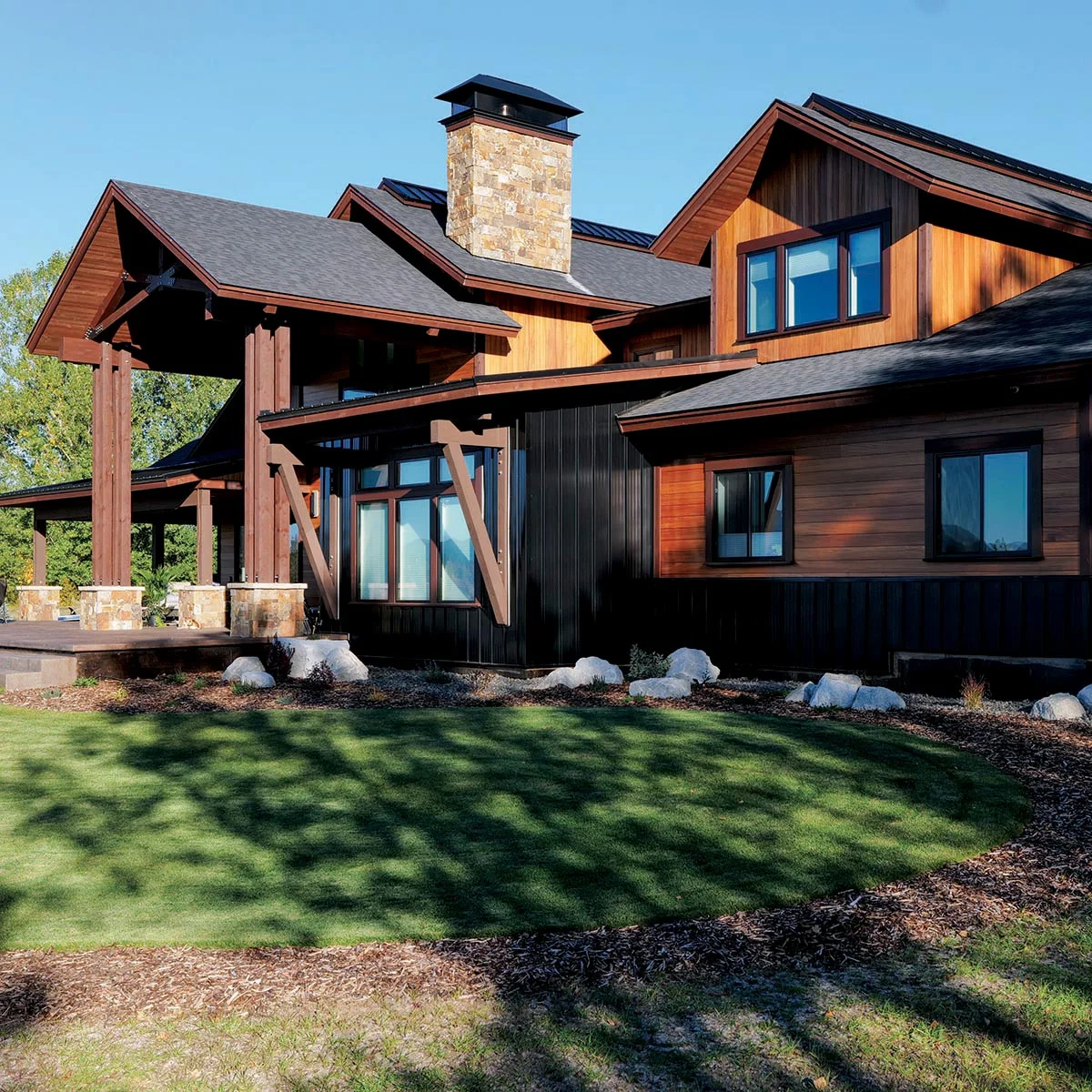
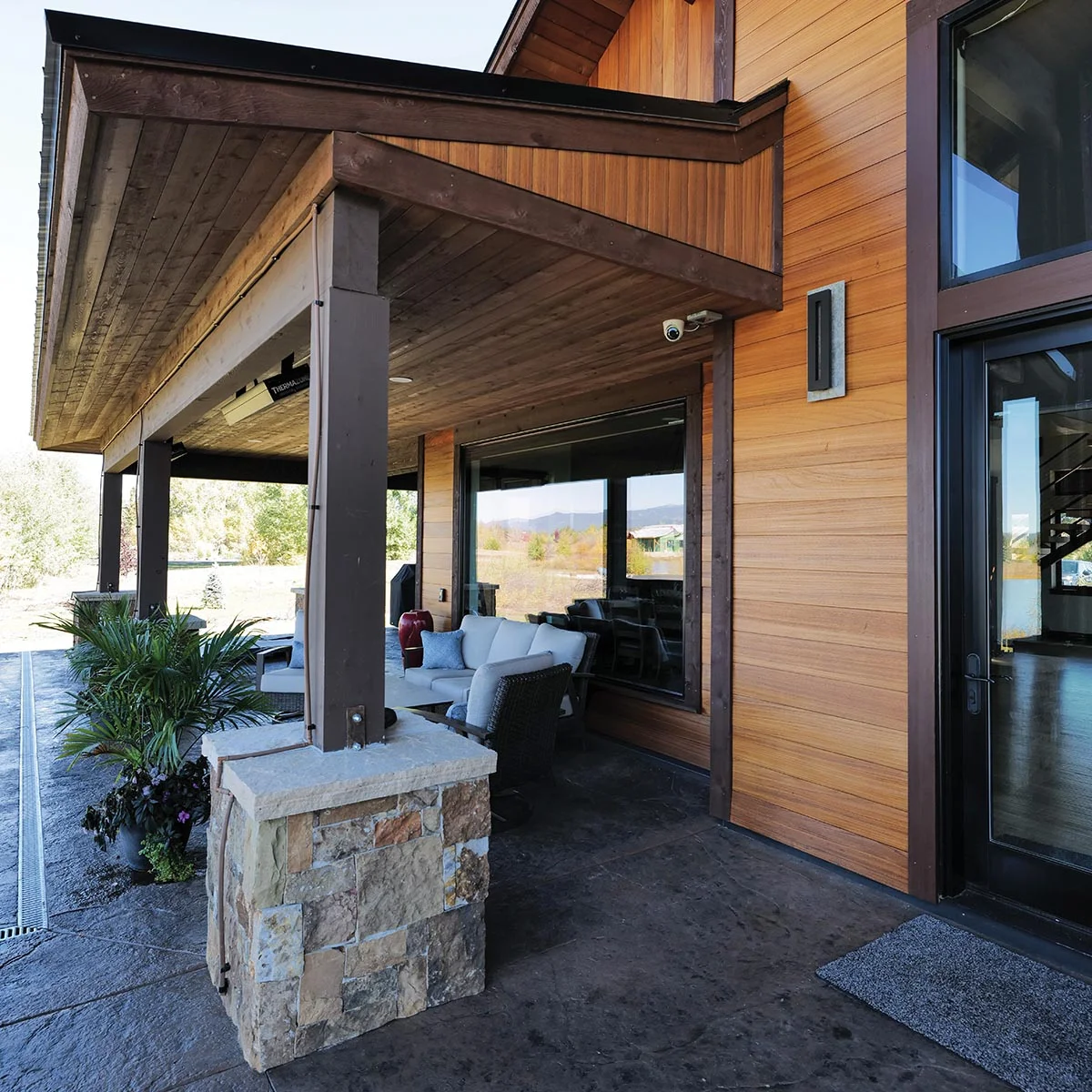
TMW excels in rainscreen siding and exterior cladding applications. The enhanced dimensional stability means boards stay flat and joints stay tight through seasonal humidity changes. Ambara® is particularly popular as a Western Red Cedar alternative for clear, architectural-grade siding—at a more accessible price point.
Decking
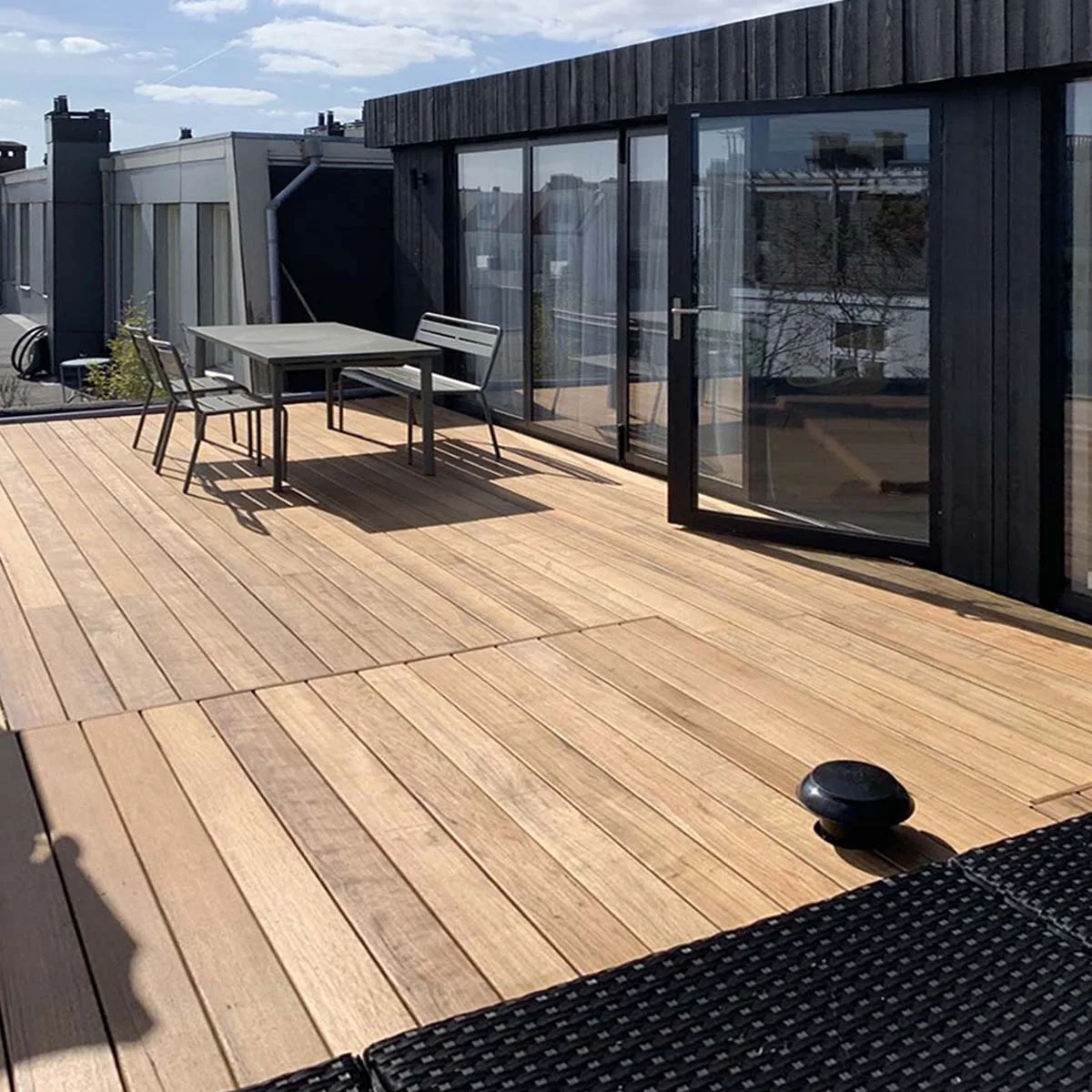
For decking, species selection matters. Medium-density thermally modified woods like Korina retain sufficient hardness for foot traffic. Lighter species like Ambara are better suited for vertical applications. For heavy-traffic commercial decking, consider our naturally durable tropical hardwoods.
Saunas & Wellness
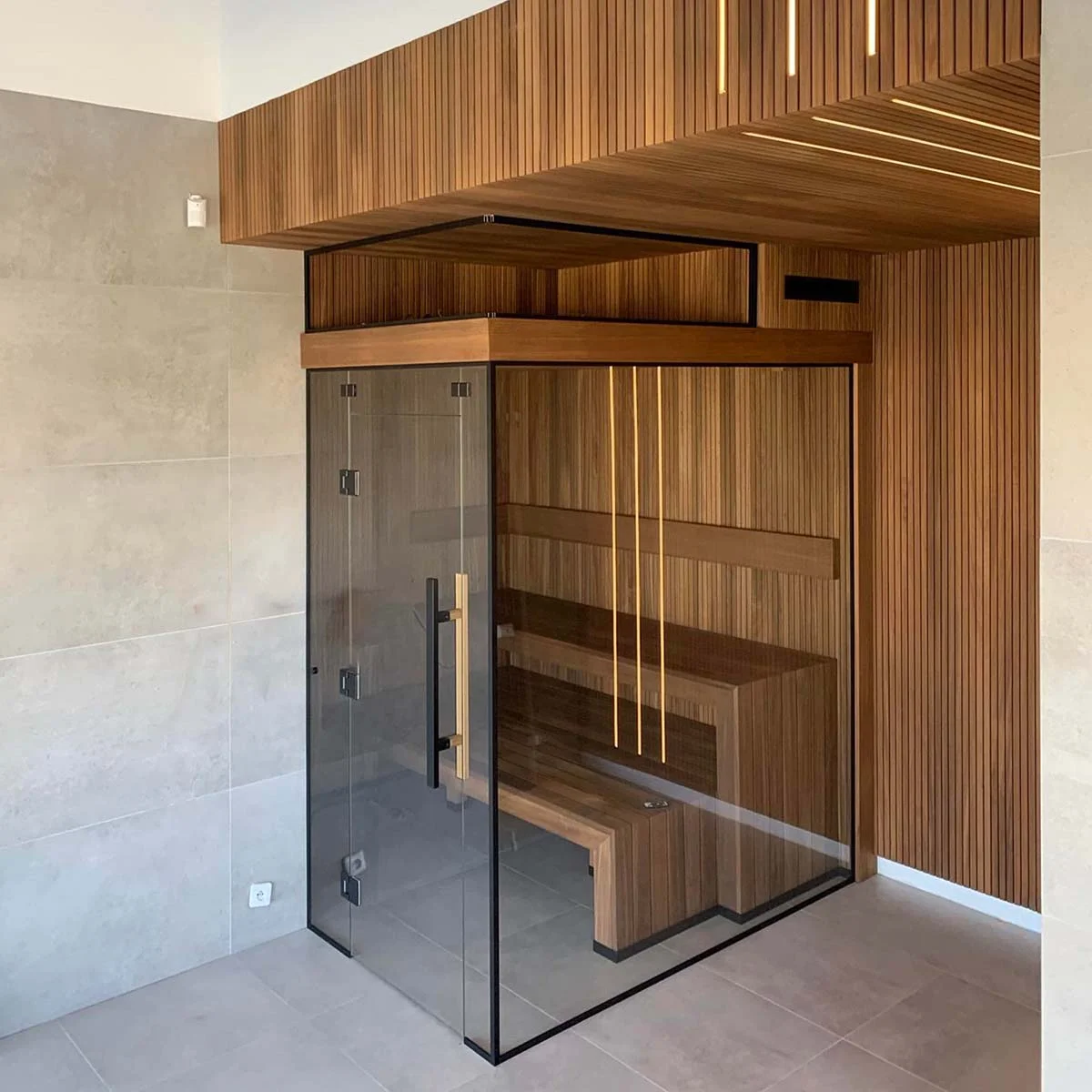
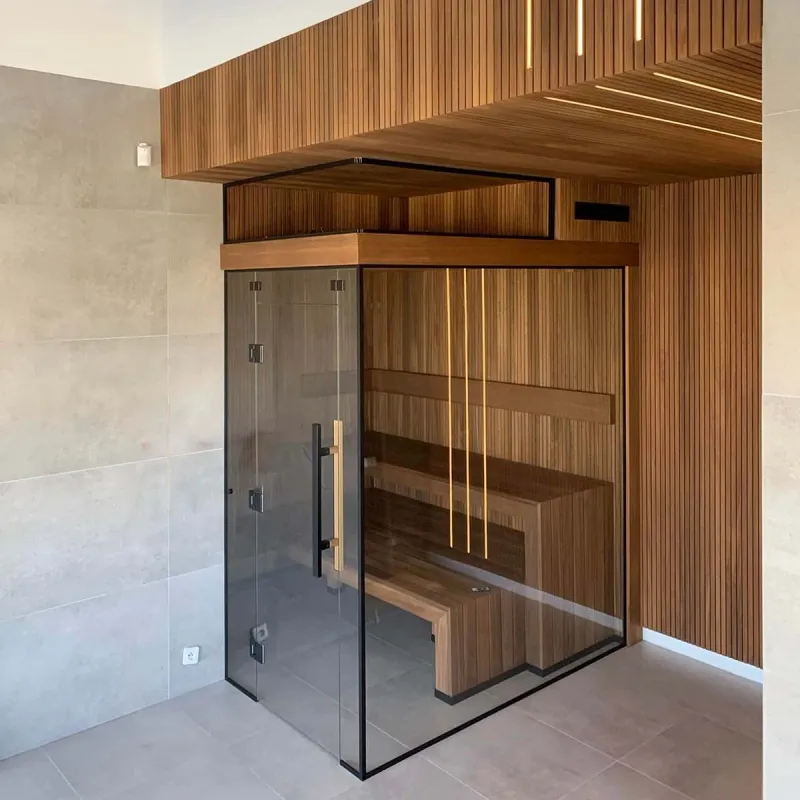
Thermally modified wood is ideal for saunas and steam rooms. The low moisture absorption, heat resistance, and smooth, splinter-free surface make it comfortable against bare skin. The chemical-free nature is essential in high-heat environments.
Interior Paneling & Ceilings
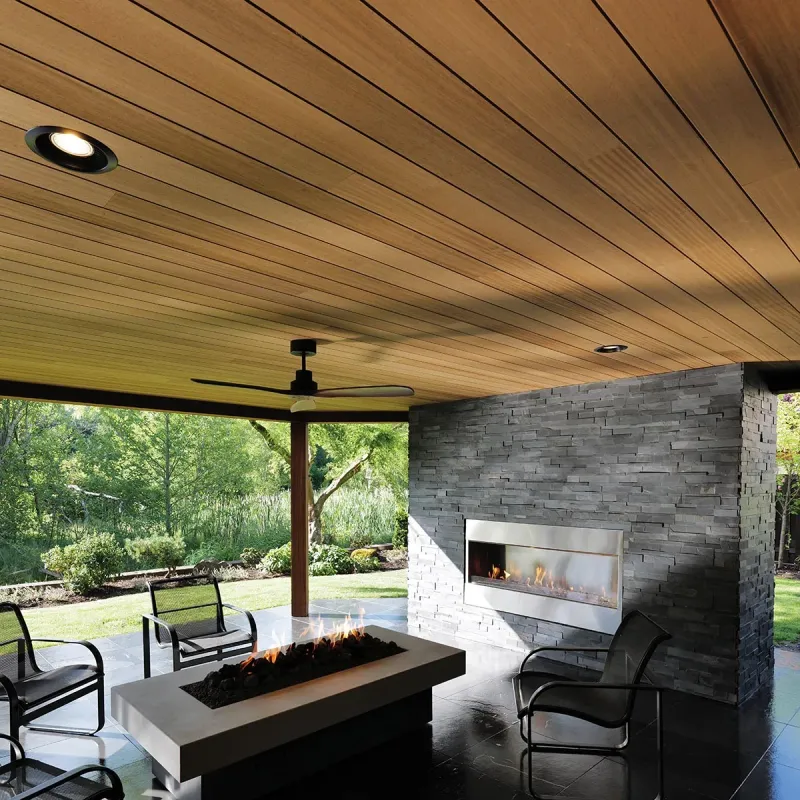
The dimensional stability of TMW makes it excellent for interior accent walls, ceilings, and architectural details—especially in spaces with variable humidity like bathrooms, covered outdoor rooms, and pool houses.
Fencing & Screens
For privacy fencing and decorative screens, TMW delivers lasting beauty without chemical treatments.
How Does Thermally Modified Wood Compare?
Thermally Modified vs. Pressure Treated vs. Western Red Cedar vs. Tropical Hardwood (Ipe):
Chemical-Free — Thermally Modified: ✓ Yes; Pressure Treated: ✗ No; Western Red Cedar: ✓ Yes; Tropical Hardwood (Ipe): ✓ Yes
Dimensional Stability — Thermally Modified: Excellent; Pressure Treated: Poor; Western Red Cedar: Good; Tropical Hardwood (Ipe): Fair to Good
Decay Resistance — Thermally Modified: Very Good; Pressure Treated: Very Good; Western Red Cedar: Moderate; Tropical Hardwood (Ipe): Excellent
Sustainability — Thermally Modified: Excellent; Pressure Treated: Moderate; Western Red Cedar: Good; Tropical Hardwood (Ipe): Concerns (CITES)
Availability — Thermally Modified: Good; Pressure Treated: Excellent; Western Red Cedar: Limited (Clear grades); Tropical Hardwood (Ipe): Limited (CITES)
Price Point — Thermally Modified: $$; Pressure Treated: $; Western Red Cedar: $$$; Tropical Hardwood (Ipe): $$$$
*Hardness varies by species. Korina retains good hardness for decking; Ambara is better suited for siding, cladding, paneling, and trim.
Nova's Thermally Modified Wood Products
Nova offers three distinct thermally modified wood product lines, each optimized for specific applications. Combined with our ExoClad QuickClip hidden fasteners and ExoShield Wood Stain, these products form a complete system for lasting performance.
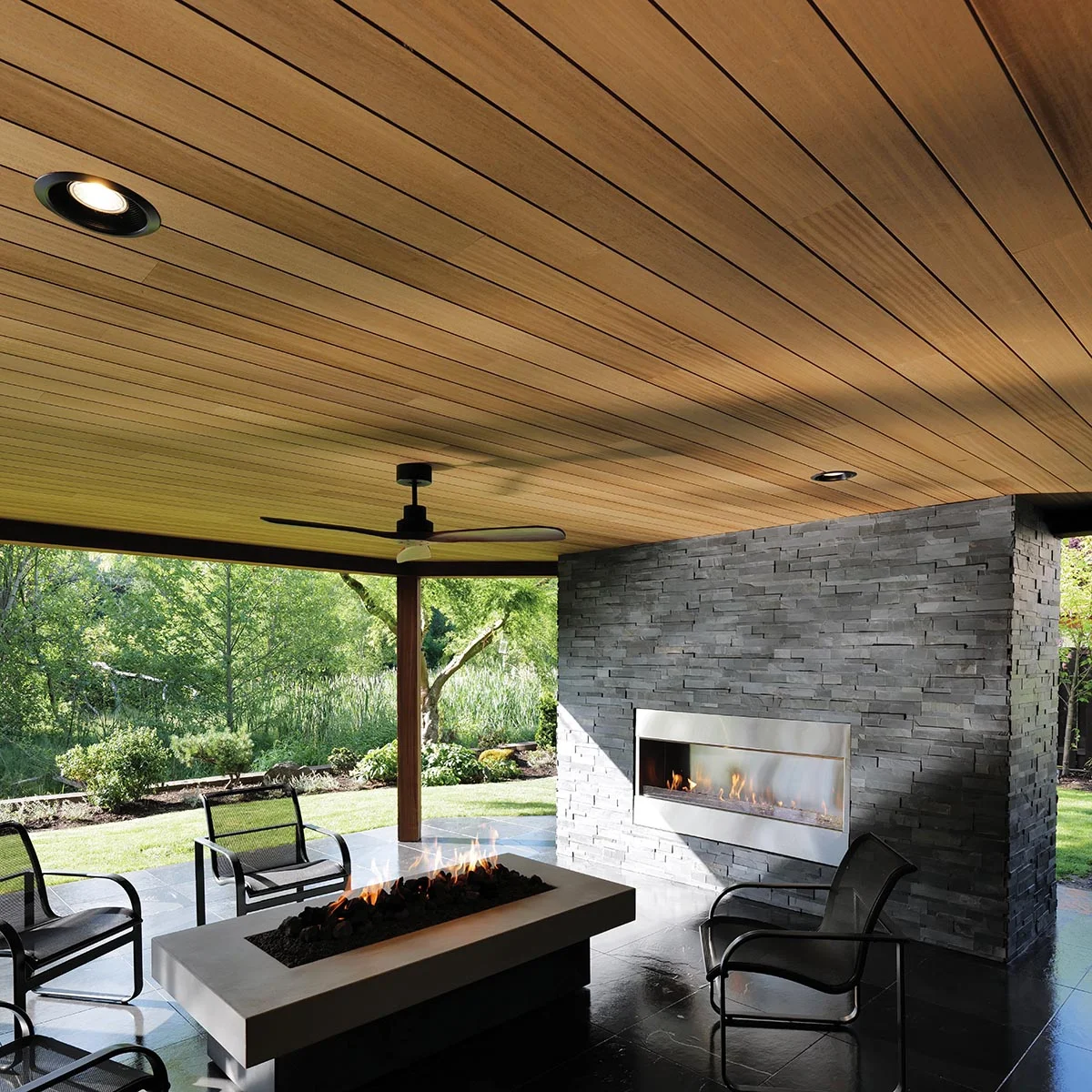
Ambara Thermally Modified Hardwood
Ambara Thermally Modified Hardwood
Ambara® is Nova's thermally modified Ayous (Obeche)—a lightweight African hardwood transformed into a premium siding material. It's our answer to the Western Red Cedar shortage: clear, stable, beautiful, and significantly more affordable than A&Btr VG Cedar. Best Applications: Rainscreen siding, exterior cladding, soffit, ceiling paneling, sauna interiors, architectural millwork Key Features: Learn more about Ambara® → | Read our Ambara® introduction →
- Clear, knot-free appearance
- Exceptional dimensional stability—more stable than VG Cedar
- Lightweight and easy to install
- Takes stain beautifully (better than thermally modified Hemlock)
- Ideal for vertical applications
Korina Thermally Modified Hardwood
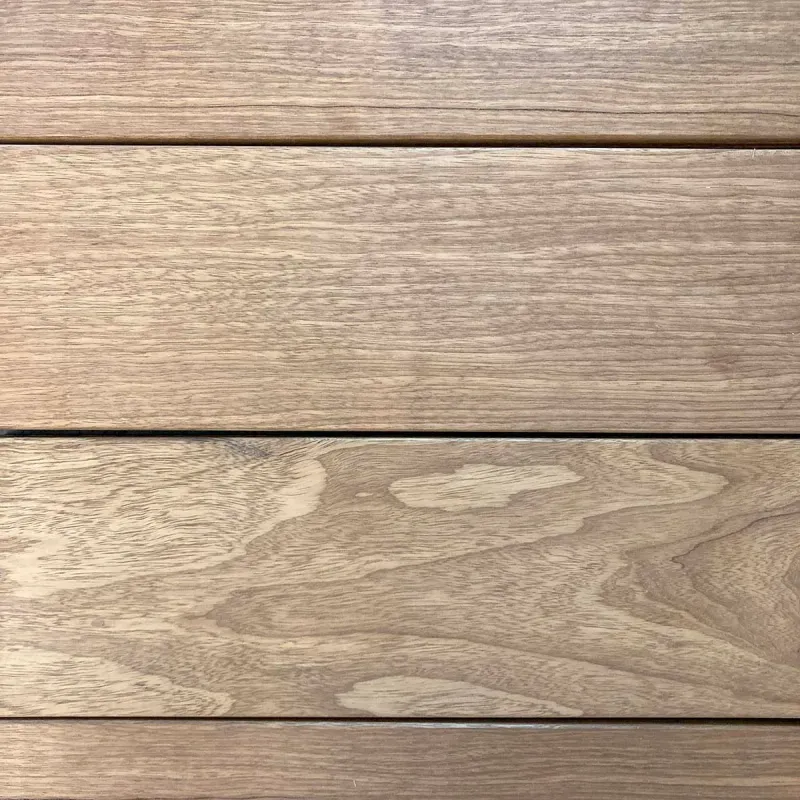
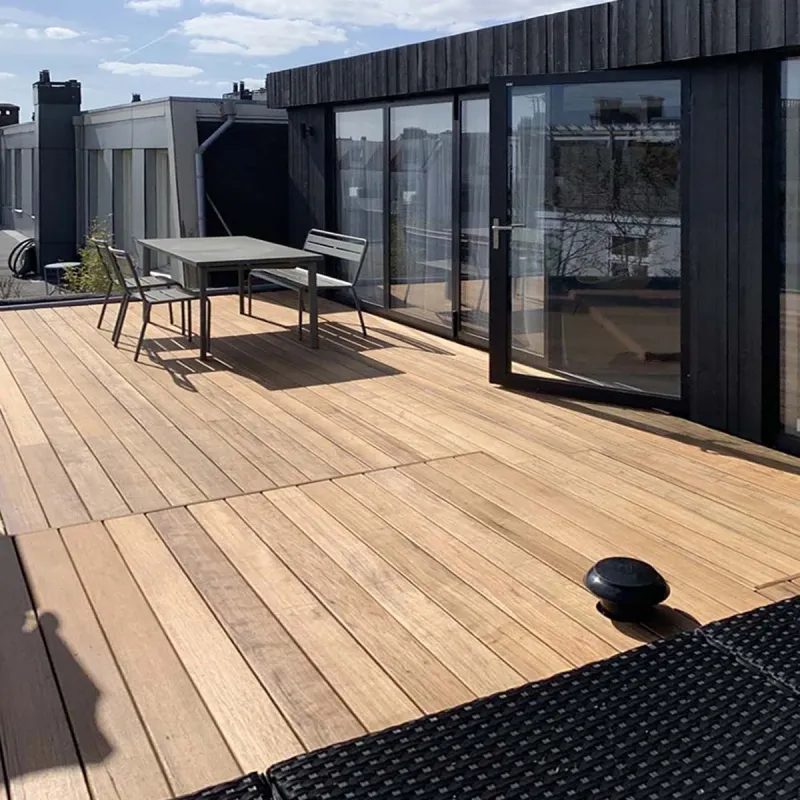
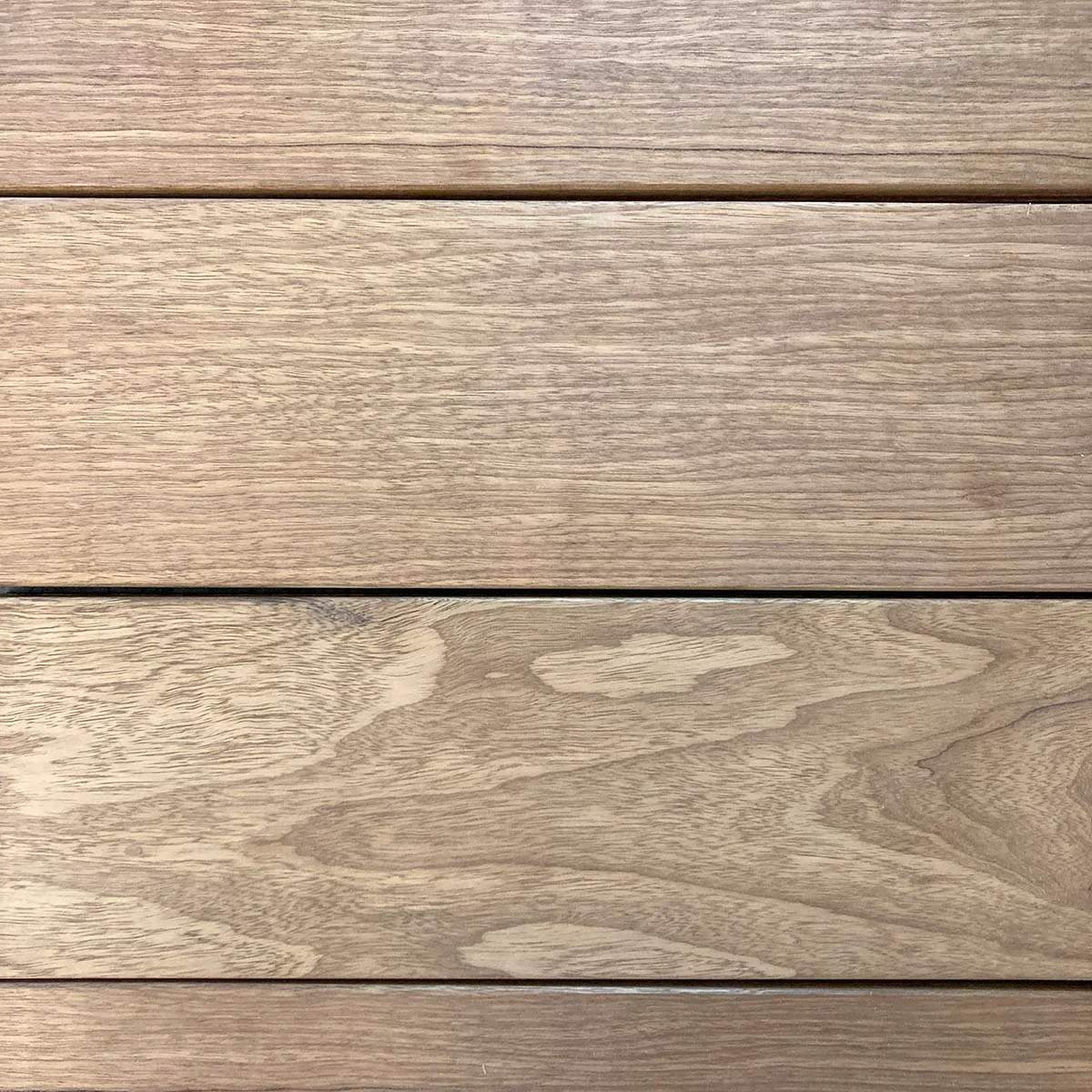
Korina is a medium-density tropical hardwood that retains excellent hardness after thermal modification—making it suitable for both decking and siding applications. It's an ideal choice for those who want the benefits of thermally modified wood in a horizontal, high-traffic application. Best Applications: Decking, siding, cladding, outdoor furniture, architectural details Key Features: Learn more about Korina →
- Medium density retains hardness for foot traffic
- Suitable for both horizontal and vertical applications
- Rich, warm brown coloring throughout
- Excellent decay and insect resistance
- Available in decking and siding profiles
Inari Thermally Modified Nordic Spruce
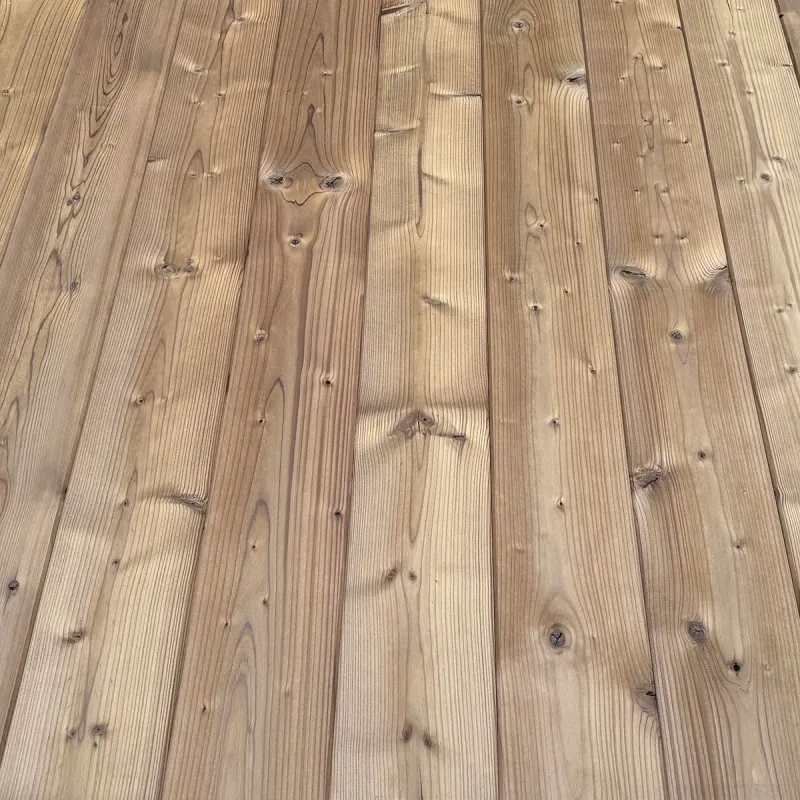
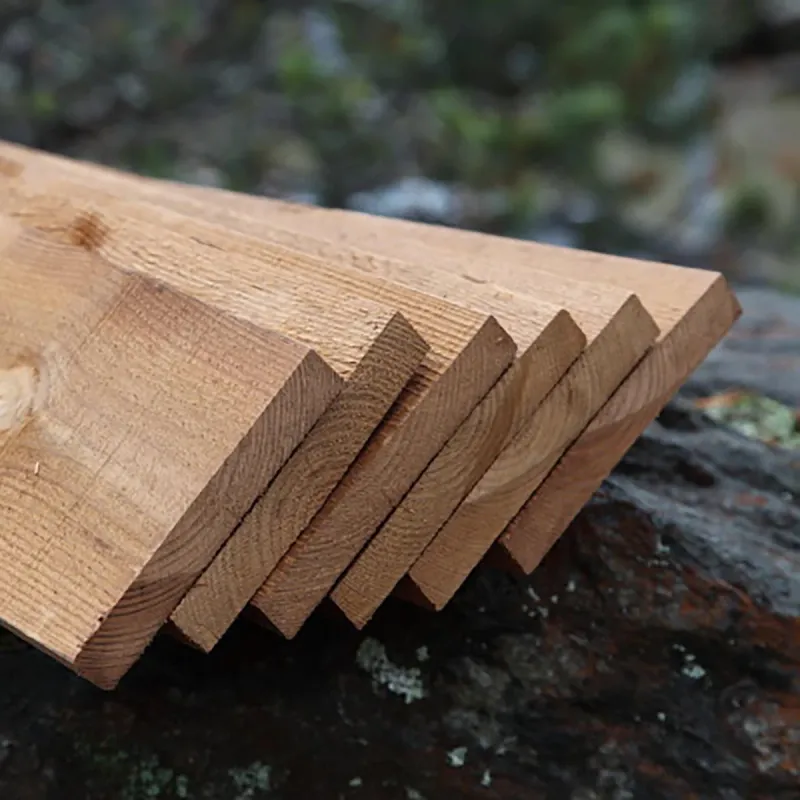
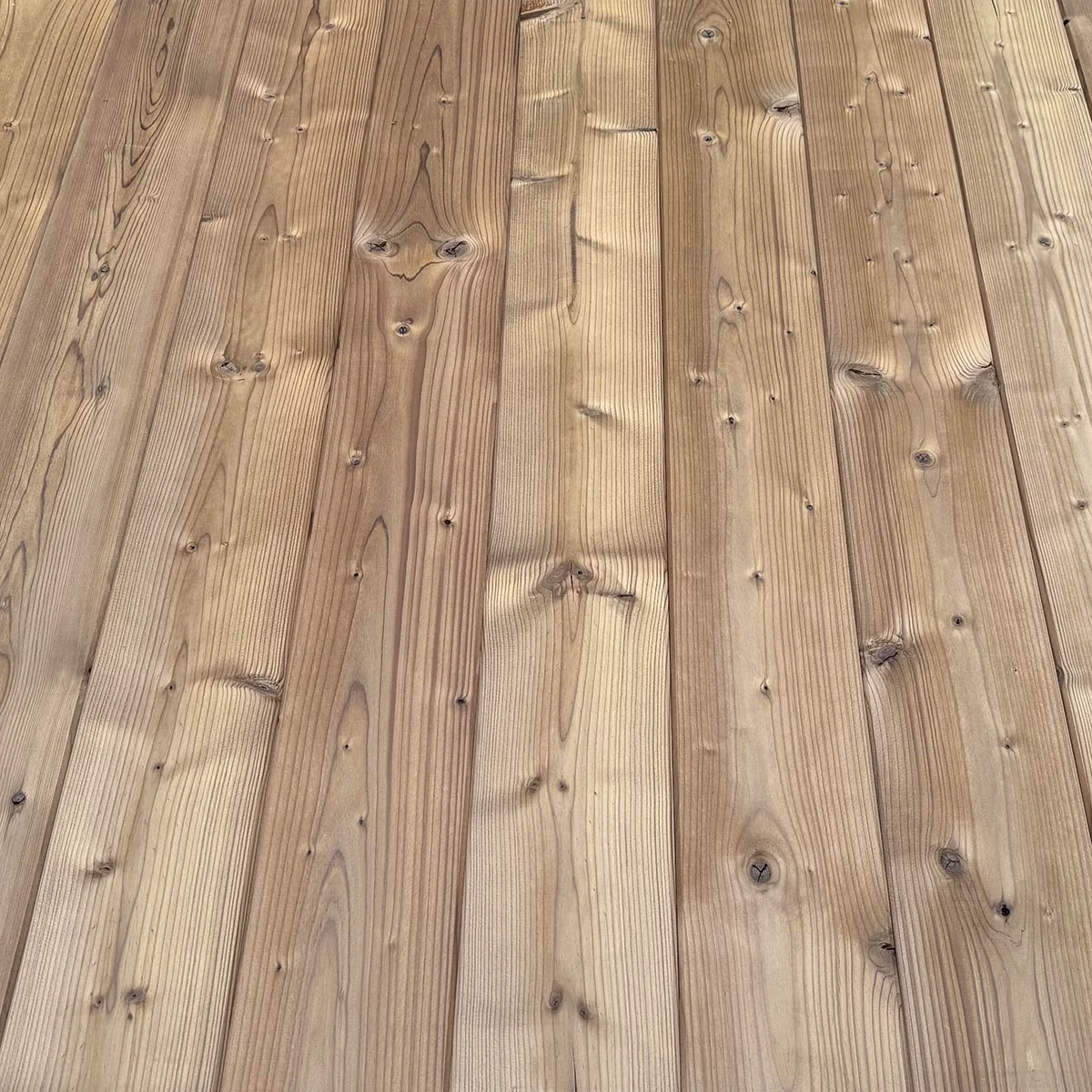
Inari™ is Nova's premium Thermally Modified Nordic Spruce (Picea abies)—sourced from the pristine, PEFC® certified forests of Northern Europe. This remarkable softwood undergoes thermal modification that transforms standard spruce into an incredibly durable and stable material using only heat and steam. The result is a Class 2 durability-rated product—equivalent to all-heart Western Red Cedar—with a beautiful, consistent caramel to amber color and a 25-year warranty. Best Applications: Bevel siding, T&G siding, shiplap, nickel gap, rainscreen cladding, beaded ceiling, interior paneling, soffit, sauna interiors, fencing, pergolas Key Features: Learn more about Inari™ Nordic Spruce →
- 25-Year Warranty — confidence backed by proven performance
- Class 2 Durability — equivalent to all-heart Western Red Cedar
- PEFC® Certified — sustainably sourced from managed Nordic forests
- Exceptional dimensional stability — less than 2% shrinkage
- Fine, even, consistent grain with caramel to amber tones
- 100% chemical-free, non-toxic, and recyclable
- Available in multiple siding profiles and rough lumber
Choosing the Right Thermally Modified Wood
Not all thermally modified woods are created equal. The starting species dramatically affects the final product's performance:
For Clear, Premium Siding: Ambara®
Thermally modified Ayous (Obeche) delivers a knot-free, clear appearance comparable to A&Btr VG Western Red Cedar—at a more accessible price point. Ideal for high-end architectural projects requiring a clean, sophisticated look.
For Rustic/Traditional Siding: Inari™ Nordic Spruce
PEFC® certified Nordic Spruce with characteristic softwood grain patterns. Class 2 durability with a 25-year warranty. Available in the widest range of siding profiles: bevel, T&G, shiplap, nickel gap, lap, and rainscreen. Excellent value.
For Decking: Korina
Medium-density hardwood that retains sufficient hardness for foot traffic while gaining the stability benefits of thermal modification.
Installation & Finishing
Installation
Thermally modified wood installs like conventional lumber—standard tools, standard fasteners. However, we recommend:
Pre-drilling for face screws (TMW can be slightly more brittle than untreated wood); Using stainless steel or coated fasteners to prevent corrosion staining; For siding: Our ExoClad QuickClip hidden fastener system allows boards to expand and contract naturally; For decking: Our ExoDek QuickClip lifts boards 1/8" off joists for 360° airflow; Proper acclimation before installation (TMW has lower moisture content than conventional wood)
Finishing
Thermally modified wood does not require finishing for durability—it will perform well unfinished for decades. However, all wood exposed to UV light will eventually weather to gray. To maintain the warm brown color:
Apply ExoShield Wood Stain (our Tung oil-based, UV-protective finish); ExoShield penetrates deeply into TMW's open cell structure; Reapply every 1-3 years depending on exposure; For lighter species, consider water popping before finishing for enhanced penetration
Learn more: Protecting Thermally Modified Wood from Pests
Frequently Asked Questions
What is thermally modified wood?
Thermally modified wood (TMW) is real wood heated to 180-230°C in a controlled, oxygen-free environment using only heat and steam. This permanently alters the cellular structure, improving durability, dimensional stability, and decay resistance without chemicals.
How long does thermally modified wood last?
Properly installed TMW can last 25-30 years or more in exterior applications. The modification process significantly increases decay resistance, making it comparable to naturally durable tropical hardwoods.
Is thermally modified wood better than pressure-treated?
TMW offers superior dimensional stability (less warping/cupping), is completely chemical-free, and has a richer appearance. Pressure-treated may be more cost-effective for ground-contact applications requiring maximum rot resistance.
Can thermally modified wood be used for decking?
Yes, but choose the right species. Medium-density woods like Korina retain sufficient hardness for decking. Lighter species like Ambara are better for siding.
Does thermally modified wood need to be sealed?
Not for durability—TMW performs well unfinished. However, it will weather to gray over time like all exterior wood. Apply a UV-protective finish like ExoShield to maintain the original color.
Is thermally modified wood fire resistant?
TMW has similar fire characteristics to untreated wood. For fire-rated applications, see our Class A fire-rated hardwood options.
Is thermally modified wood environmentally friendly?
Yes. TMW is one of the most sustainable building materials available—it uses no chemicals, extends the life of fast-growing species, and provides a domestic alternative to tropical hardwoods.
Ready to Get Started?
Nova stocks thermally modified wood products at warehouses throughout North America for fast delivery. Our technical experts can help you select the right product for your application.
Related Resources:
Introducing Nova's Ambara®
Protecting Thermally Modified Wood from Pests
Best Alternatives to Ipe for Hardwood Decking
7 Best Commercial Exterior Siding Options
Top Exterior Wood Cladding Choices
WHERE TO BUY
Need help with a project? See how we can help.