
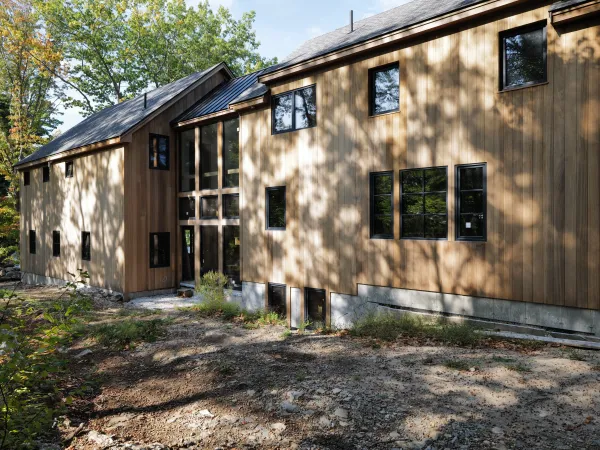
Thermally Modified Woods - How are they different?
This article highlights the key differences between thermally modified wood and regular kiln dried wood
Steve Getsiv · September 26, 2026
Micah Sutfin · October 24, 2025
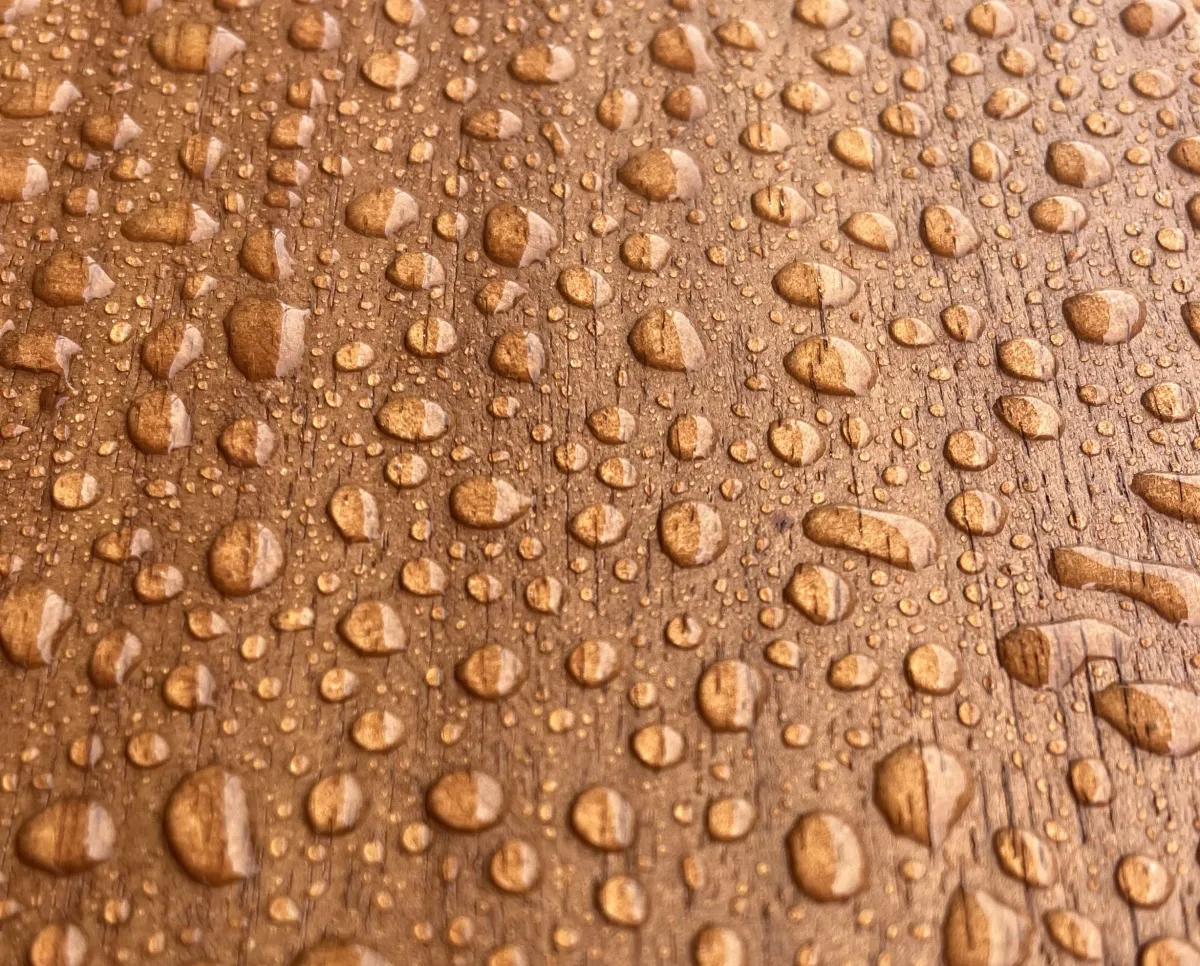
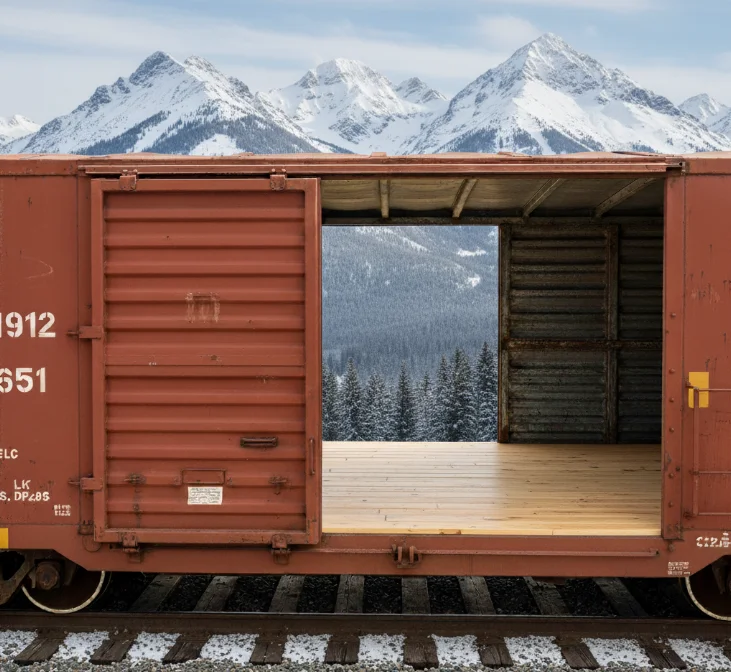
An industrial or trailer floor is not a passive component. It is a high-performance structural asset, engineered to withstand immense stress. Yet, I see them fail constantly. The culprit is rarely a single catastrophic event. Instead, it's a slow, relentless war of attrition waged by an enemy that fleet and plant managers often underestimate: moisture.
The failure of a wood floor in a tractor-trailer or industrial setting isn't a cosmetic problem; it's a critical structural failure that leads to downtime, costly repairs, and significant safety hazards.
To protect your asset, you first must understand the science of the threat.
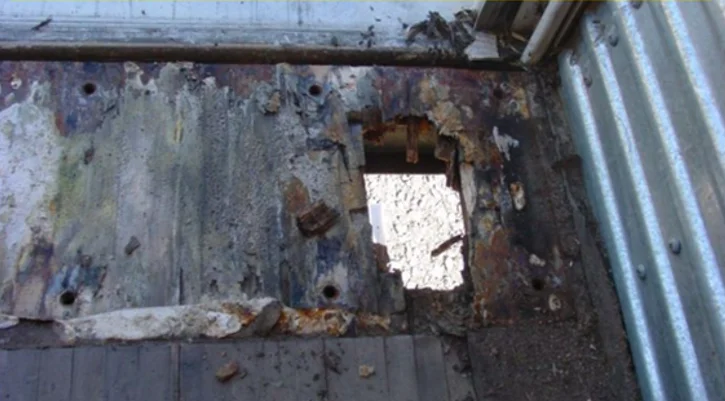
Wood is a hygroscopic material. This is a technical term meaning it acts like a sponge, constantly absorbing and releasing moisture to find equilibrium with its environment. This is the root of the problem.
For a trailer floor, this process is on steroids.
This constant moisture fluctuation is what destroys the floor. As the wood cells swell with moisture and shrink as they dry, the internal stress causes the wood to check, crack, and warp. In the case of laminated or plywood trailer floors, this stress is the primary driver of delamination—the layers begin to peel apart, and the floor's structural integrity is compromised.
Once a check or crack opens, or the seal is broken by abrasion, water finds a path. This leads to the most catastrophic failure: biological degradation, or rot. The wood fibers are literally eaten away, creating "soft spots" that can collapse under the weight of a forklift, leading to damaged cargo or, worse, a serious injury.
Many assume the wood itself is the only thing that matters. They are wrong. The single most important factor in the longevity of your floor is the quality and durability of its protective seal.
A simple topical finish won't survive. It will be scraped away by the first pallet or worn through by forklift traffic, rendering it useless. You need an engineered solution that does more than just sit on the surface.
This is where NovaSeal becomes a non-negotiable component of your floor system.
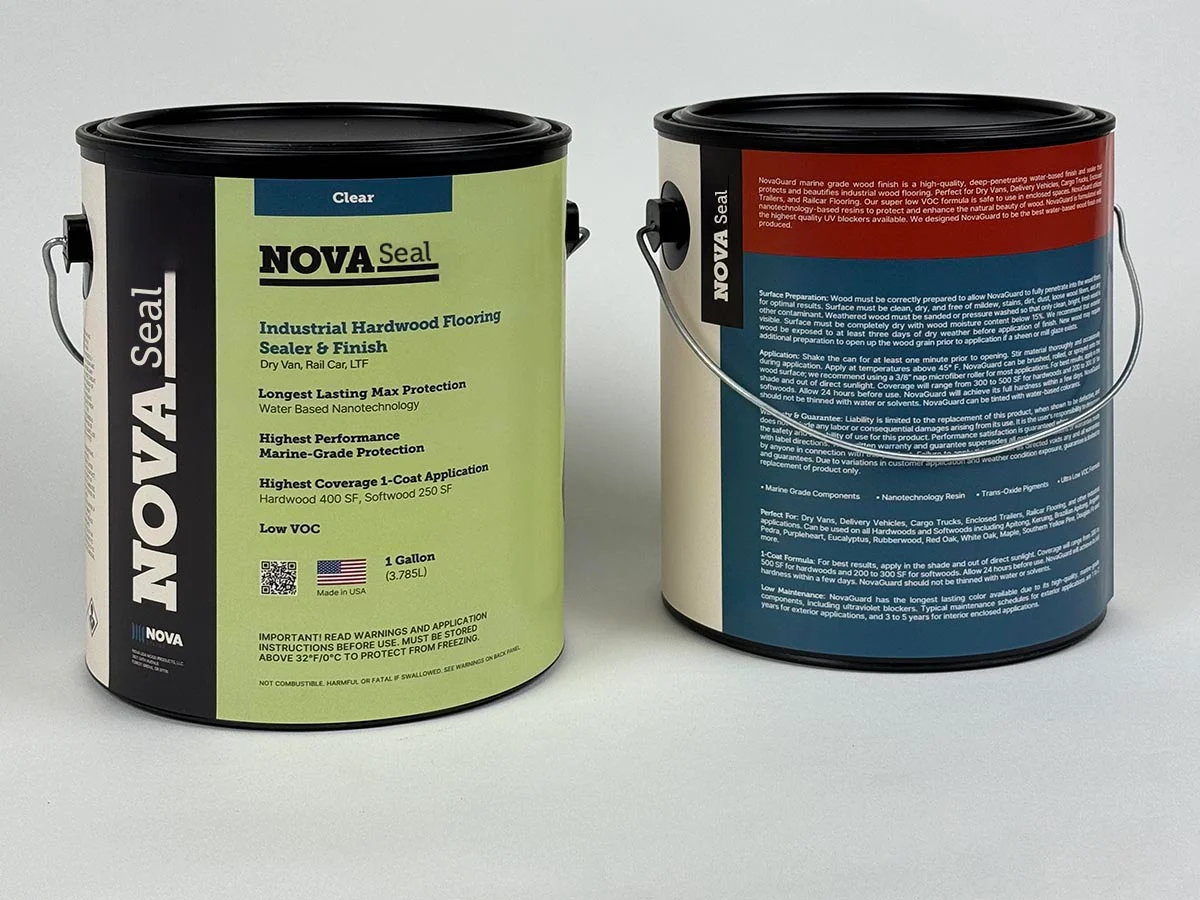
A failed floor means a trailer is out of service. That is lost revenue, every single day. The cost of replacing a delaminated or rotted trailer floor is astronomical compared to the cost of protecting it correctly from day one.
Treating your industrial and trailer floors with NovaSeal is not a cost; it's a critical investment in your asset's structural integrity and longevity. You are moving beyond simple "wood finishing" and into the science of "wood preservation." You are ensuring your floor can win the relentless war against moisture, keeping your assets in service and on the road where they belong.
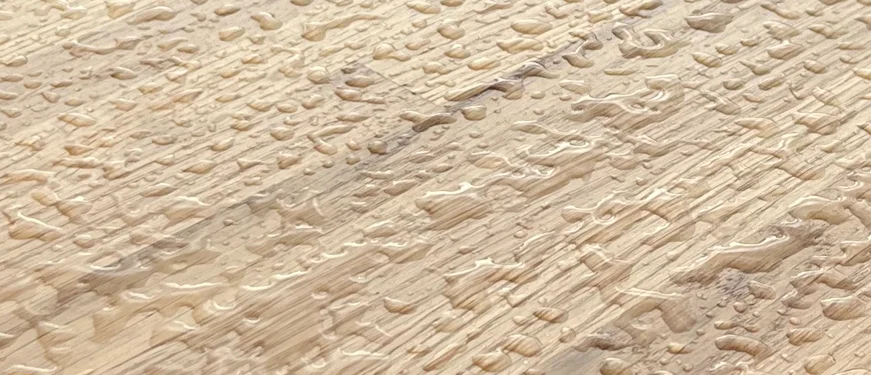
Have more questions about NovaSeal and protecting your investment? Visit us at https://www.novausawood.com/nova-seal
This article highlights the key differences between thermally modified wood and regular kiln dried wood
Steve Getsiv · September 26, 2026
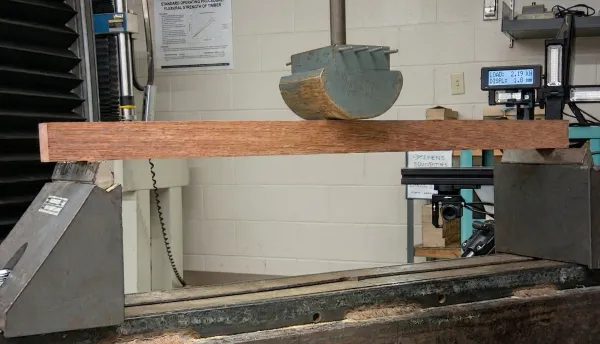
Mechanical testing on Ipe, Batu, Torem, and Bangkirai including modulus of rupture and elasticity, janka hardness and density
Micah Sutfin · February 28, 2026
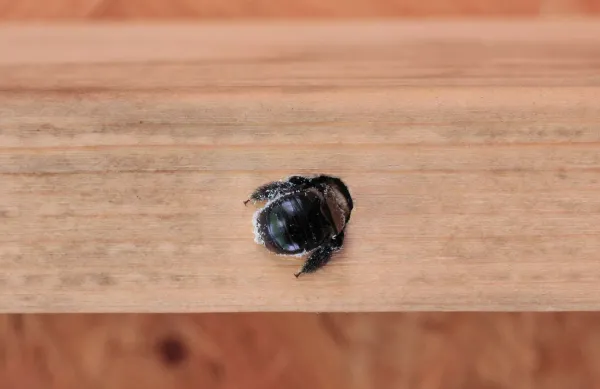
This article discusses the durability of thermally modified wood including methods of treating termite damage, wood peckers, and carpenter bees.
Micah Sutfin · August 27, 2025