Thermally Modified Woods - How are they different?
Here at Nova, we get questions just about every day about the differences between thermally modified wood and “regular”, “normal” kiln dried wood. Most of the differences can be categorized as thermal modification makes the wood better. But there are at least a couple gotchas to be aware of. Read on to learn more!
Why is Everyone Talking About Thermally Modified Wood?
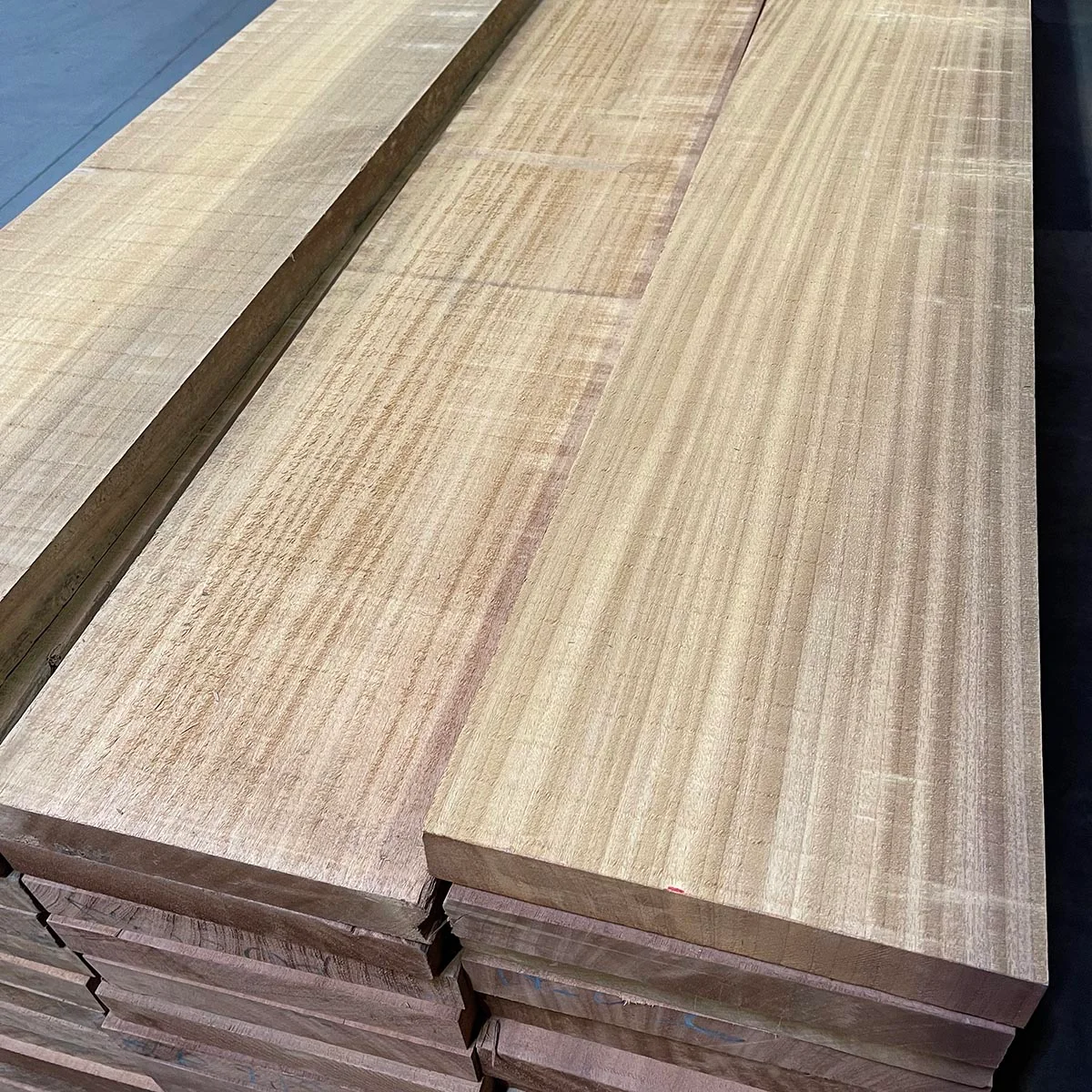
Commercial volumes of thermally modified wood (TMW) have been around for over ten years in the North American market. And the trend towards thermally modified woods is growing quickly. Bottom line: they perform better.
- Thermally modified wood is more stable with shrinkage and expansion of less than 2%, and in some cases less than 1%. One of the most stable woods by comparison is Western Red Cedar which shrinks and swells around 4%. Red Oak has around 8% movement for comparison.
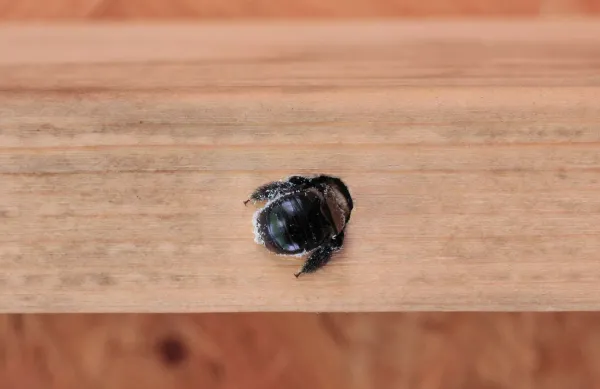
- Thermally modified wood is more durable. TMW is more rot resistant because the process breaks down the food source from the wood fiber. TMW is slightly more resistant to insects but it still needs to be treated to protect it from termites and carpenter bees.
- Thermally modified wood is more color consistent. The modification process evenly heats the wood throughout the chamber to a very high temperature – depending on the species and manufacturer, anywhere from 380 degrees F to 420 degrees F – and holds it there long enough for the wood fiber to change physically and chemically. In the process, the wood becomes a consistent light to medium caramel brown color.
What are the Gotchas?
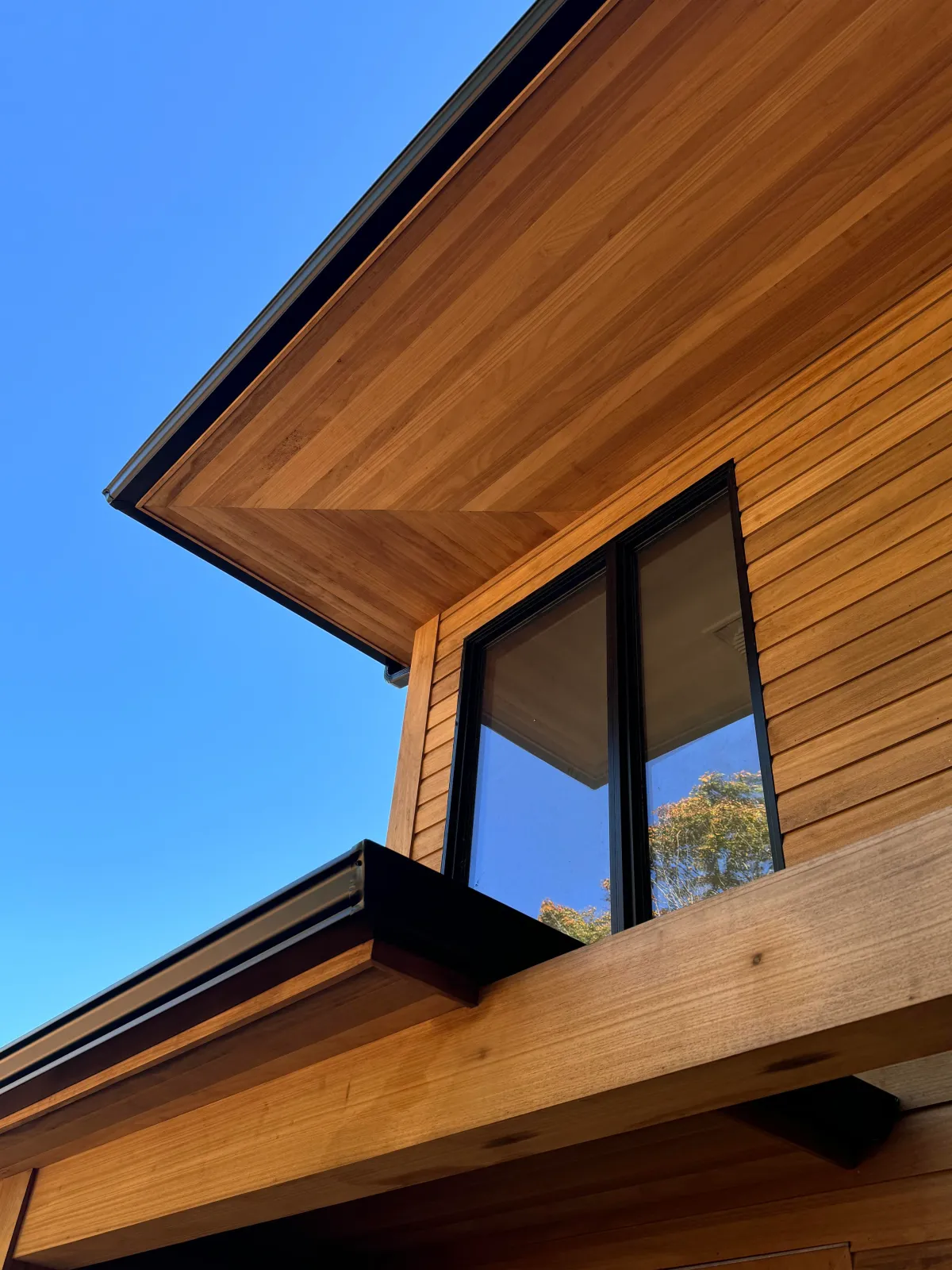
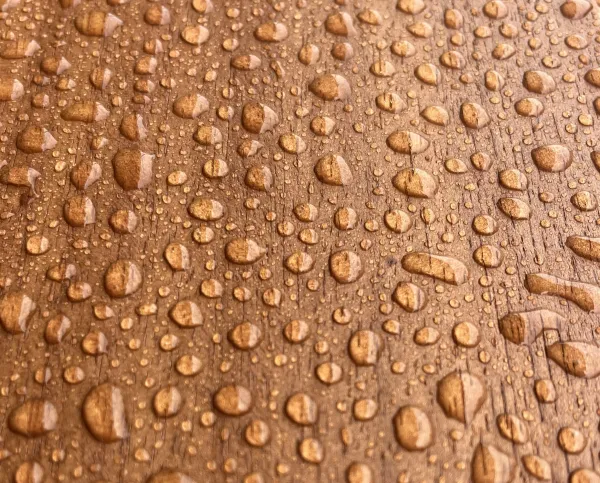
- Thermally modified wood CANNOT BE GLUED WITH PVA (Polyvinyl acetate) GLUES. TITEBOND I, II, and III DO NOT WORK. The TM process breaks down the wood’s hemicellulose and permanently reorganizes the cellular structure, and the wood becomes hydrophobic. Water based PVA glues have been found to demonstrate poor bond performance on thermally modified wood. For field applications, use PU (Polyurethane) or STP (Silane-Terminated Polymer) adhesives only.
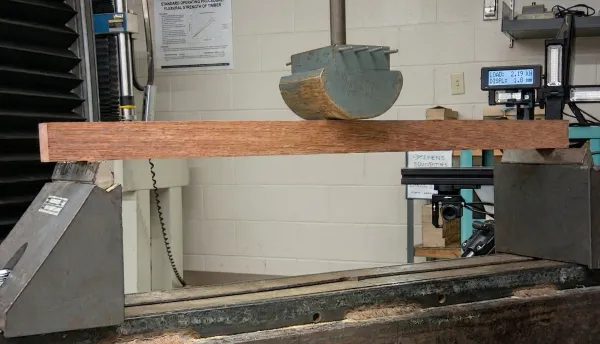
- The thermal modification process weakens the wood fiber in terms of bending strength by a factor of 10-20%. For most applications such as siding, cladding, paneling, and trim, it doesn’t matter. For structural applications, including decking, this is an important consideration.
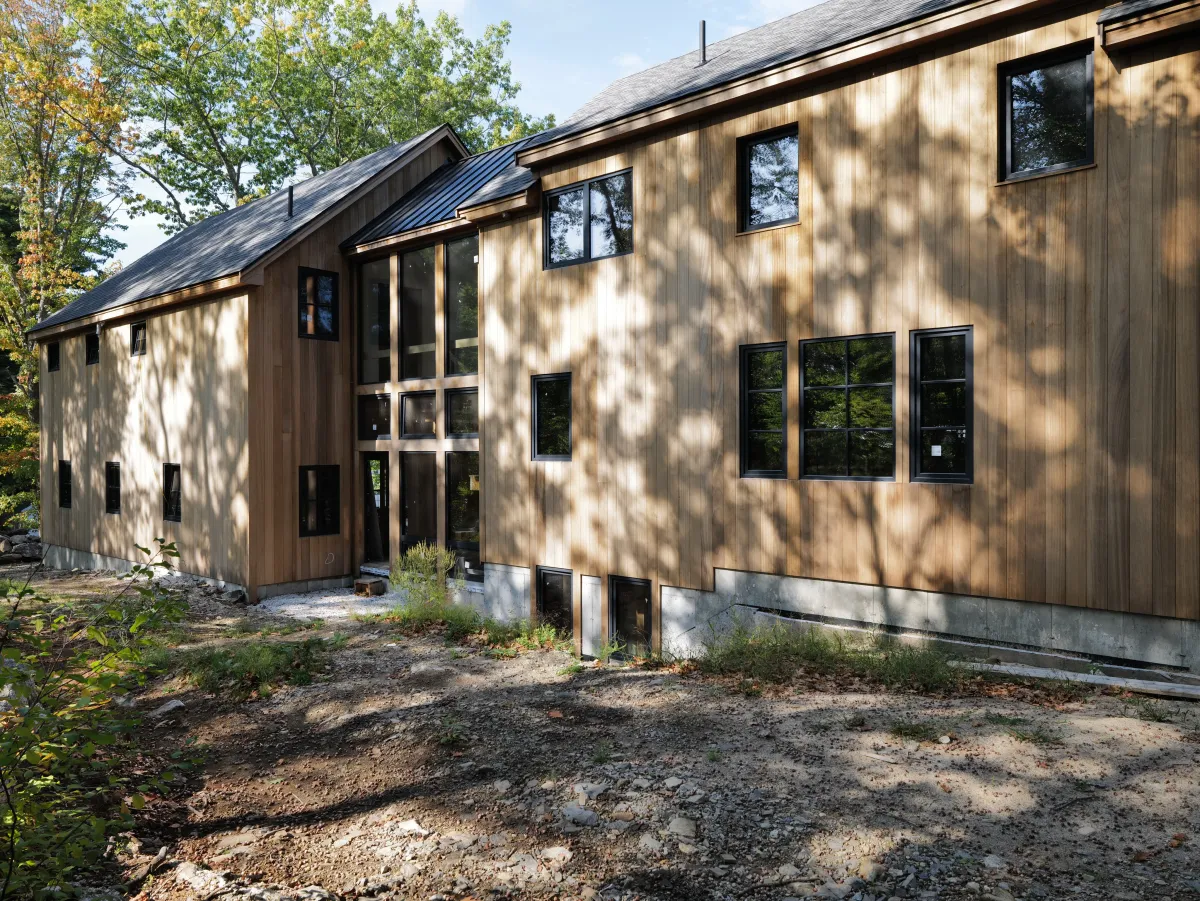
- The thermal modification process makes the wood more prone to splitting. Predrilling for face screw applications is strongly recommended, especially near the ends of boards. For T&G applications, using an air gun with stainless steel fasteners works great without predrilling; just be careful near the ends.
- TMW is not rated for ground contact or in ground use. Be careful!
Good of the Order Suggestions
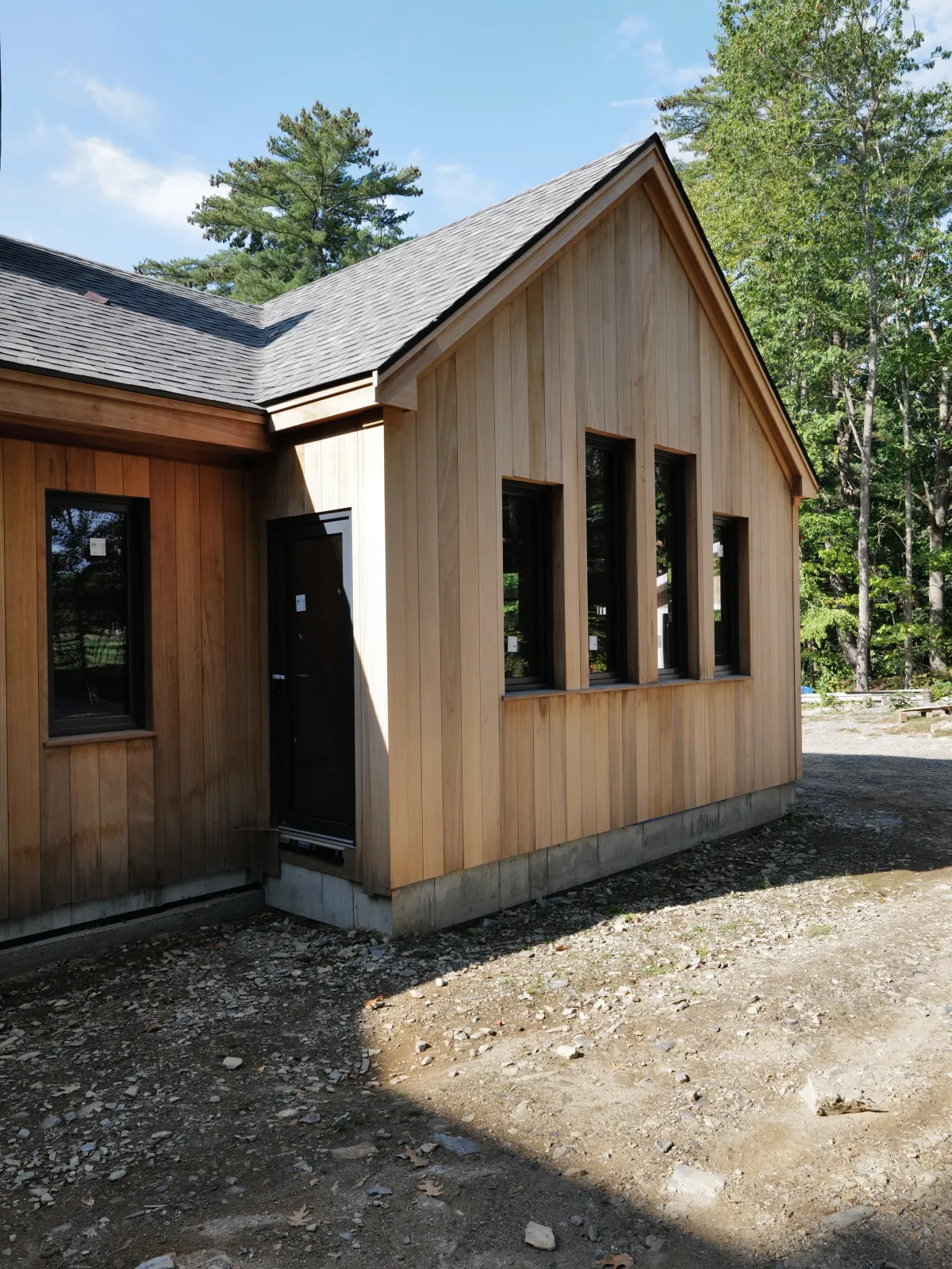
Here’s a list of a few things to consider for any project in thermally modified wood.
- Use stainless steel fasteners! Many thermally modified wood projects end up being left natural or stained with a transparent or semi-transparent wood finish. Galvanized steel or carbon steel fasteners will show severe discoloration around the fasteners after exposure to weather.
- Protect the material on the job site. Keep your thermally modified wood out of the weather. These products are sensitive to UV exposure.
- Use a high-quality end wax on all exposed ends. Thermally modified wood will still wick moisture down its length, just like non-modified wood products. This is especially important when installing vertical siding, around windows and doors, as post and beam wraps, and anywhere else the wood will be exposed to weather.
- Read the manufacturer's installation instructions thoroughly.
Reach out to us before you start your next project with thermally modified wood. We are here to help you make the best choice in materials.