
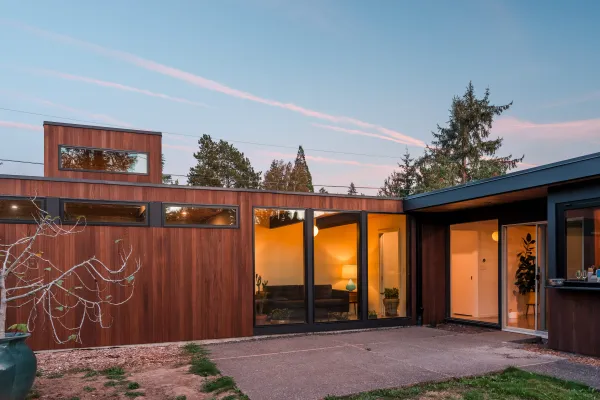
Evaluating Thermally Modified Wood for Exterior Siding
How to evaluate thermally modified wood siding: stability, decay resistance, grades, profiles, fastening and finishing for Ambara® and Inari™ from Nova.
Steve Getsiv · November 11, 2026
Steve Getsiv · November 10, 2026
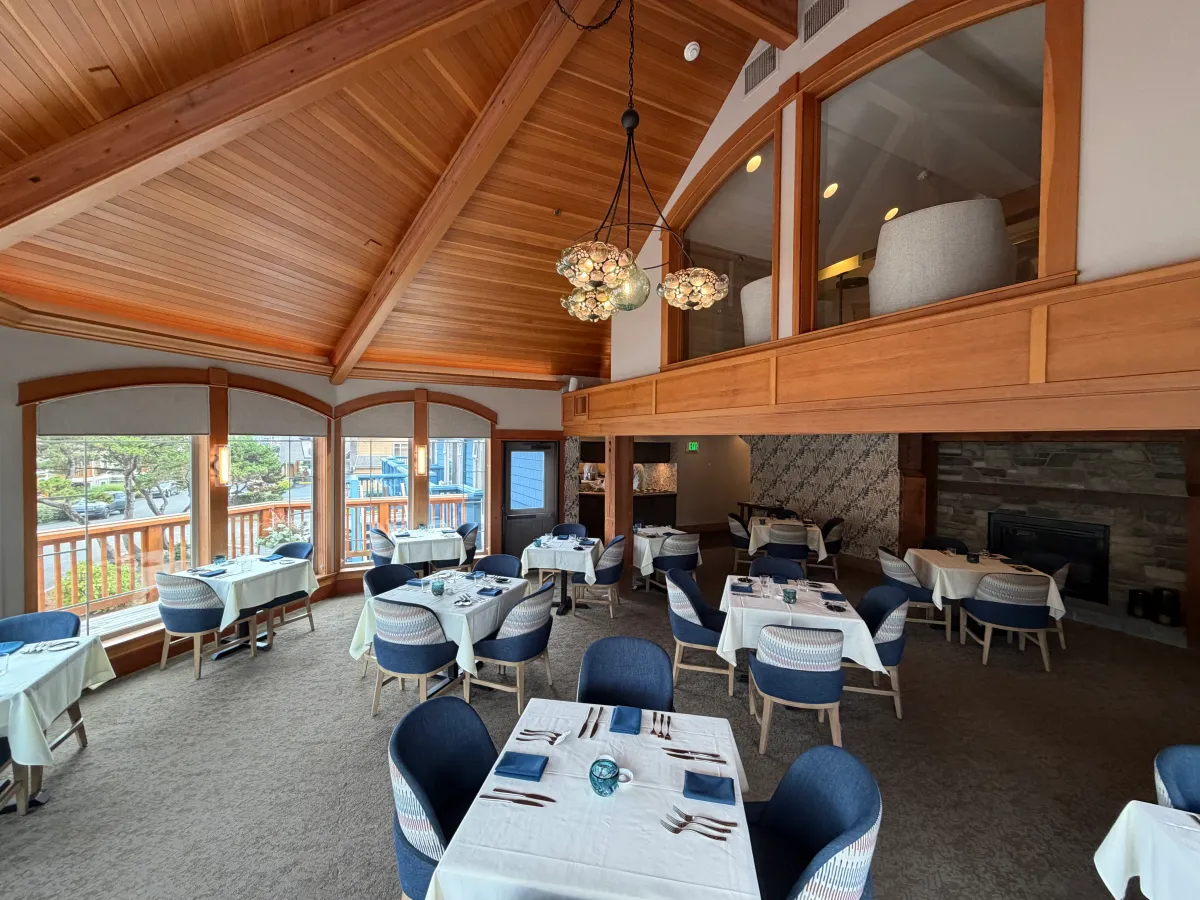
A Douglas Fir timber and a clear vertical grain ceiling board come from the same species, sometimes from the same log. But they are graded for completely different jobs. One is graded for strength, the other for how it looks. Knowing what each grade actually means is the best way to get the right material for your project, and to avoid paying for quality you don't need.
Here at Nova, we stock Douglas Fir from structural timbers through clear vertical grain finish lumber, in both the Pacific Northwest and the Northeast. Here's how we explain the grades to the architects, timber framers and woodworkers we work with.
Lumber grading sets quality standards based on what an inspector can see in the wood: knots, splits, pitch, slope of grain, wane and growth-ring pattern. Douglas Fir grades fall into two families.
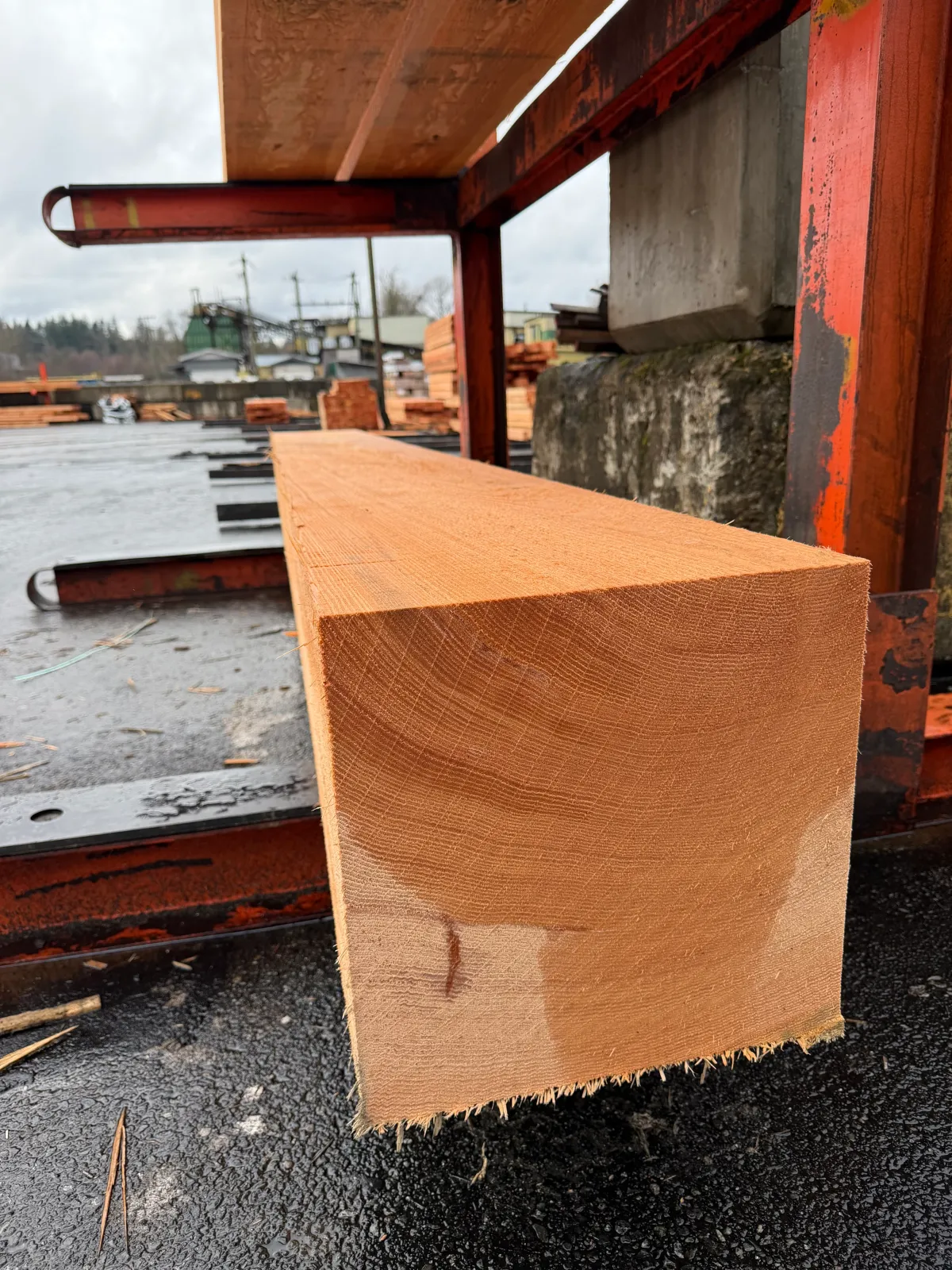
A timber can easily meet a demanding structural grade and still have knots you wouldn't want in fine paneling. A clear board can look flawless and never be graded for strength at all. Always match the grade family to the job.
Before we get to the grades themselves, it helps to separate grain from grade. Terms like vertical grain and mixed grain describe how the board was cut from the log. The grade describes how clean it is. A product description usually gives you both, for example C&Btr CVG.
Vertical grain lumber is quarter sawn, cut radially from the center of the log, so the growth rings meet the face of the board at 45° to 90°. The result is fine, straight, parallel grain lines and a board that is more stable across its width. Any sapwood is isolated to one edge, so the color within each board is very consistent.
Clear Vertical Grain (CVG) Douglas Fir is the classic choice for flooring, ceilings, paneling, trim, doors, windows and fine millwork. Douglas Fir CVG flooring has been used in American homes since the 1800s. We source ours from dense, old growth fiber with a fine, tight ring count.
Mixed grain boards are cut from the outer part of the log, mostly tangential to the growth rings. You get a mix of flat and vertical grain, including the cathedral figure many customers love. Because the sapwood runs across the full width of the board, there is more color variation, and the heartwood ages noticeably darker than the sapwood.
Clear Mixed Grain (CMG) Douglas Fir has the same clear face at a more accessible price. It is often called paint grade, but it takes a clear finish just as well. Many customers stain or whitewash it to even out the color between heartwood and sapwood.
The clear grades come from the highest quality logs. From best to most economical, these are the grades you'll see from us:
Not every project needs clear lumber. For rustic paneling and a more traditional look, we also offer tight knot appearance grades.
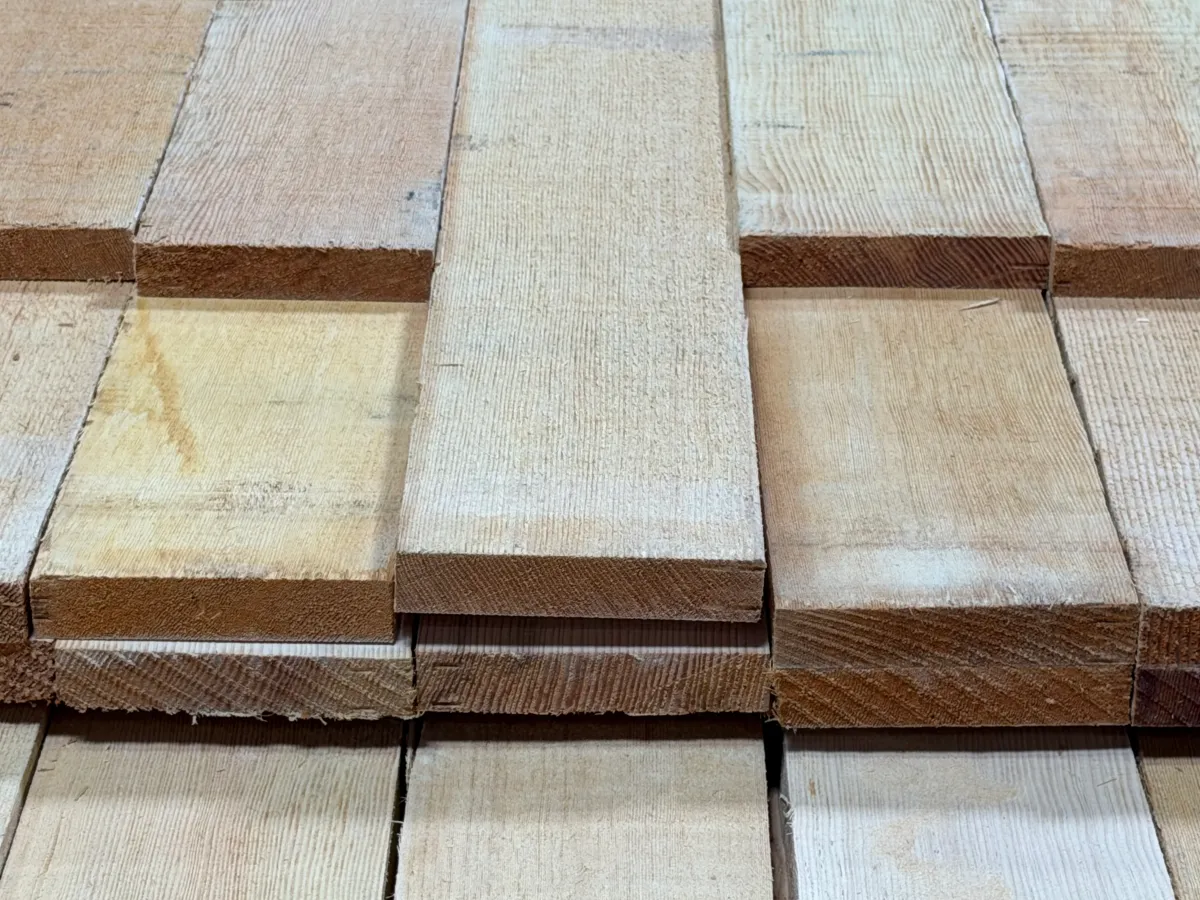
85/15 R-List is an export grade of rough, vertical grain Douglas Fir, graded under the export R-List rules. The 85/15 refers to the grade mix in the lot: about 85% No. 2 Clear & Better and 15% No. 3 Clear. It is rough sawn stock intended to be remanufactured into finished products, which is exactly how we use it.
We stock 85/15 Dense VG in 4/4 and 8/4 rough, kiln dried, for customers who want to mill their own patterns, and we remanufacture it into vertical grain T&G flooring. Strong demand from Europe and Asia for this grade keeps it in short supply domestically, so it is worth planning ahead.
When Douglas Fir carries a load, the structural grade is what counts. Inspectors limit knot size and placement, slope of grain, splits, shake and wane, and each grade corresponds to published design values. The common structural grades are:
These grades are not interchangeable. Your engineer or the project specification should tell you which grade the design calls for.
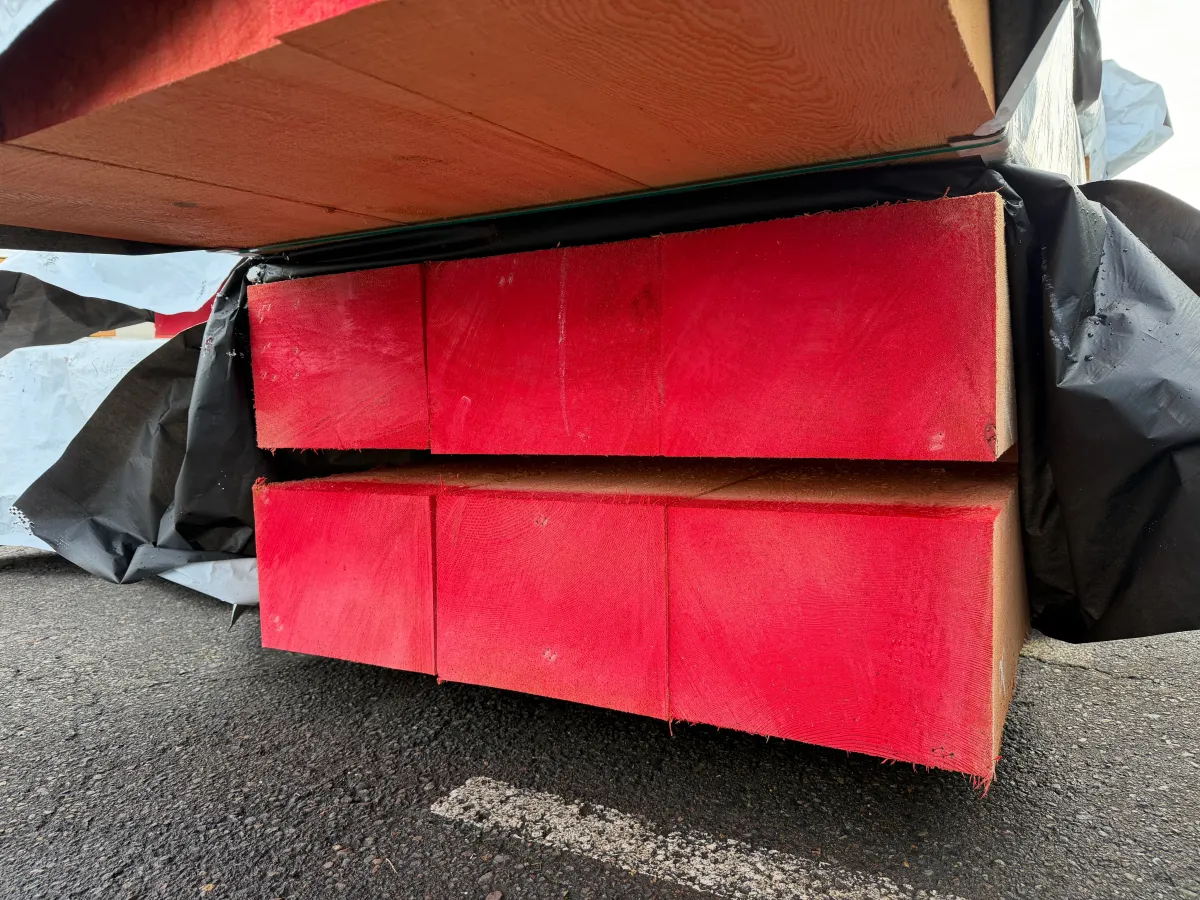
Dense is an additional designation based on growth rings. Dense Douglas Fir has at least 6 growth rings per inch, and premium old growth often has 10 or more. Tighter rings mean a heavier, stronger and more stable piece of wood, which is why Dense grades carry higher design values.
Dense doesn't replace the structural grade, it adds to it. A Dense No. 1 timber has to meet the No. 1 grade rules and the density requirement. When you compare timber quotes, read the whole grade: Dense No. 1 & Better is a very different product from No. 2.
FOHC stands for Free of Heart Center. An FOHC timber is cut from the log so that it never includes the pith, the center of the tree. Timbers that contain the pith, called boxed heart, are far more likely to check, twist and split as they dry. FOHC timbers stay much straighter and cleaner, which matters when a beam or post will be exposed for the life of the building.
FOHC describes how the timber was cut, not its strength grade. Our Douglas Fir timbers are FOHC, no wane, graded Dense No. 1 & Better and grade stamped on one end, a mix of Select Structural and No. 1. They are cut primarily from old growth logs, many of them salvaged after storms and fires, so they have little to no sapwood and age to a uniform, rich tan brown. We stack and air dry them before surfacing, and we can remanufacture them to S4S at our Hudson Valley, NY facility.
Start with what the wood has to do:
Douglas Fir is also a strong choice for covered exterior work like porch ceilings and soffits. For a deck that sits in full sun and rain year round, though, Douglas Fir heartwood is only moderately durable. That's where premium hardwood decking is the better long-term choice.
Nova USA Wood keeps Douglas Fir timbers, CVG and CMG clears, beaded ceiling, flooring and rough stock in inventory on both the West Coast and the East Coast. If you're not sure which grade fits your project, we're happy to help. See our full Douglas Fir lumber range, or contact us to talk through your specifications.
How to evaluate thermally modified wood siding: stability, decay resistance, grades, profiles, fastening and finishing for Ambara® and Inari™ from Nova.
Steve Getsiv · November 11, 2026
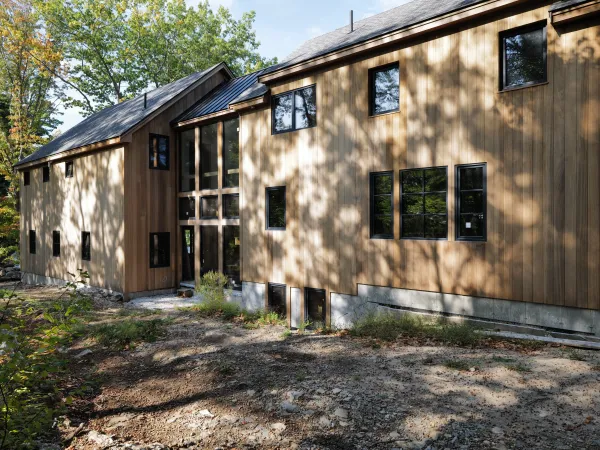
This article highlights the key differences between thermally modified wood and regular kiln dried wood
Steve Getsiv · September 26, 2026
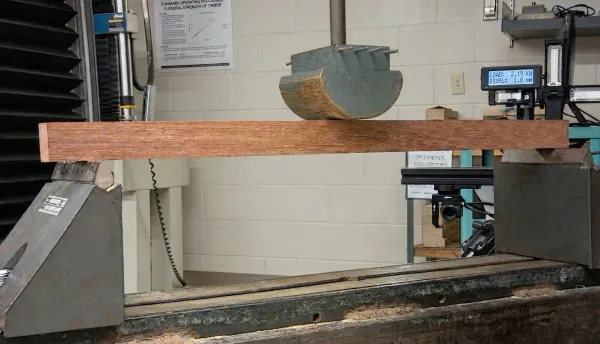
Mechanical testing on Ipe, Batu, Torem, and Bangkirai including modulus of rupture and elasticity, janka hardness and density
Micah Sutfin · February 28, 2026