
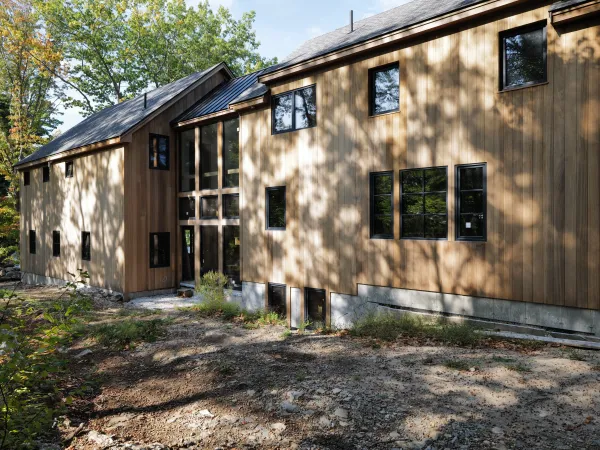
Thermally Modified Woods - How are they different?
This article highlights the key differences between thermally modified wood and regular kiln dried wood
Steve Getsiv · September 26, 2026
Keaton Smith · December 15, 2022
Fire is a leading cause of property damage. According to the National Fire Protection Association (NFPA), there's an average of 358,000 incidents annually and 7 deaths daily that can be linked to fires in the U.S.
Lightning, cooking, propane and fire pits are among the leading culprits that can turn single sparks into devastating catastrophes. As of September 1st, more than 48,000 wildfires torched more than 6 million acres to make 2022 the "most active wildfire season in more than 10 years."
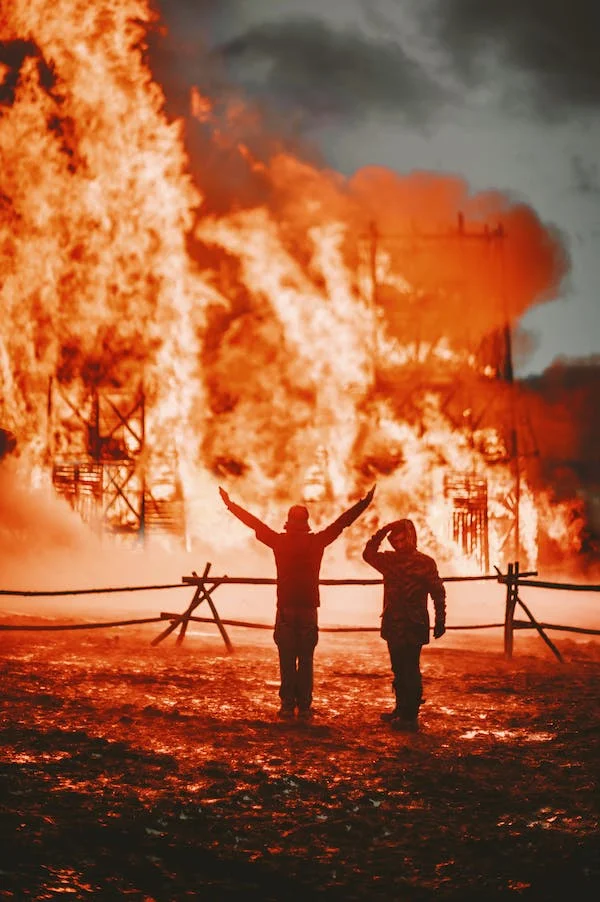
As a result, resilience or the ability "to enhance a building, facility, or community to both prevent damage and to recover from damage"3 has become increasingly important to nearly every part of the country, particularly the communities commonly subjected to wildfires and related natural events. For example, the specification of outdoor decking has become an increased priority due to the fires which can be easily spread by the vegetation and other flammable debris that accumulate under decks. As a result, the specification of decking made from fire-rated and low-flammability materials has never been greater. This includes the growing use of materials that have earned the Class A Flame Spread rating awarded in accordance of the stringent ASTM E84 testing protocols.
Products that meet Class A fire rating specifications must prove that they will not ignite, combust, form burning droplets or produce toxic fumes when subjected to fiery conditions. In addition to being the highest standard for fire resistance, the classification is also the most stringent available for building materials and "usually assigned to retardants that have a flame spread rating of between 0 and 25."
As for decks, they "are where fires often start, whether from windblown embers or from charcoal falling out of your grill." Most wood species are rated Class C for fire resistance, but you can build safer with a Class A–rated species and products."
Over the past few years, many local, state and federal government agencies have instituted increasingly stringent environmental policies designed to reduce the effects of global climate change, while also making homes, offices and other structures safer from all types of structural threats.
Nova USA Wood has worked diligently to meet the needs of the industry and new regulatory guidelines by supplying Class A fire-rated species including Batu and Yellow Balau. Nova's Batu and Yellow Balau decking and rainscreen siding are Class A fire rated, which has made each species a popular option in dry, arid states like California, Nevada, Arizona, Oregon, Washington, Idaho and Utah.
Another consideration is the growing number of U.S. regions requiring the use of exterior wood decking that have low flame spread ratings. In response, Batu and Yellow Balau also meet or exceed the fire-related requirements of Section 709A, 2010 California Building Code, Chapter 7A and San Diego County Building Code, Section 26.3.6.2.1.
A direct importer of premium quality tropical hardwood products from South America and Asia, Nova USA prides itself on the distribution of premium quality hardwoods that meet the high-quality decking and siding needs of builders, architects and homeowners. This also includes the supply of beautiful and naturally durable exotic hardwoods like Ipe and Cumaru, which also have very low flame spread ratings and meet Cal Fir, San Diego County and ASTM-84-10 specifications. In fact, most industry publications list these high-density hardwoods as class A fire rated.
So, when you're looking to make a dramatically beautiful statement that meets rigid fire-rated standards, please feel free to reach us by calling 503-419-6407 or visiting https://www.novausawood.com/fire-rated-hardwood-decking. We'll be happy to help you specify a magnificent looking deck that meets rigid building standards nationwide.
1. https://www.thezebra.com/resources/research/house-fire-statistics/
2. https://www.msn.com/en-us/weather/topstories/2022-now-most-active-us-wildfire-season-in-more-than-10-years/
3. https://www.wbdg.org/resources/good-practices-resilience-based-arch-design
4. Class A Fire Rating | Crawl Space Repair | Groundworks
5. https://www.thisoldhouse.com/decking/fire-resistant-decking-and-framing
This article highlights the key differences between thermally modified wood and regular kiln dried wood
Steve Getsiv · September 26, 2026
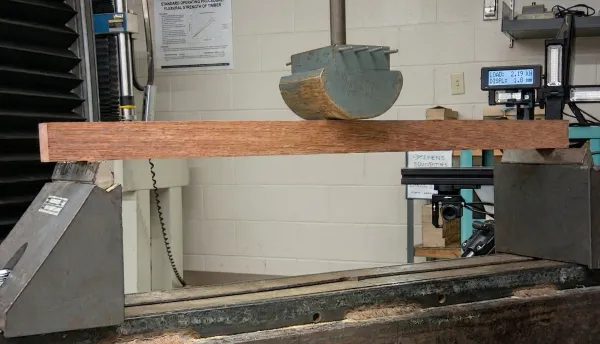
Mechanical testing on Ipe, Batu, Torem, and Bangkirai including modulus of rupture and elasticity, janka hardness and density
Micah Sutfin · February 28, 2026
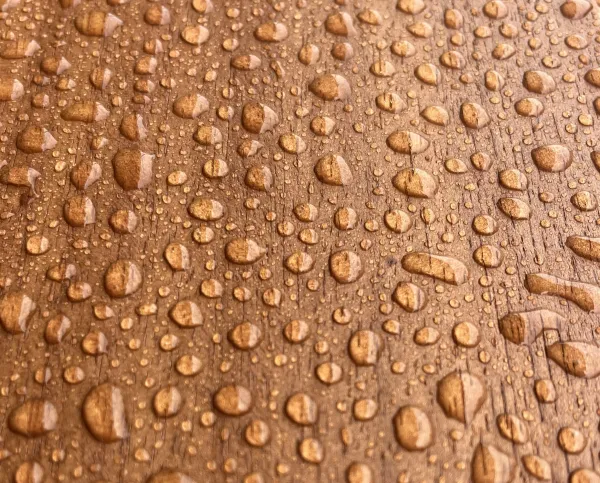
This articles discusses moisture management in trailer floors and how to protect them from failure. NovaSeal is Nova's new water-based industrial floor sealer.
Micah Sutfin · October 24, 2025